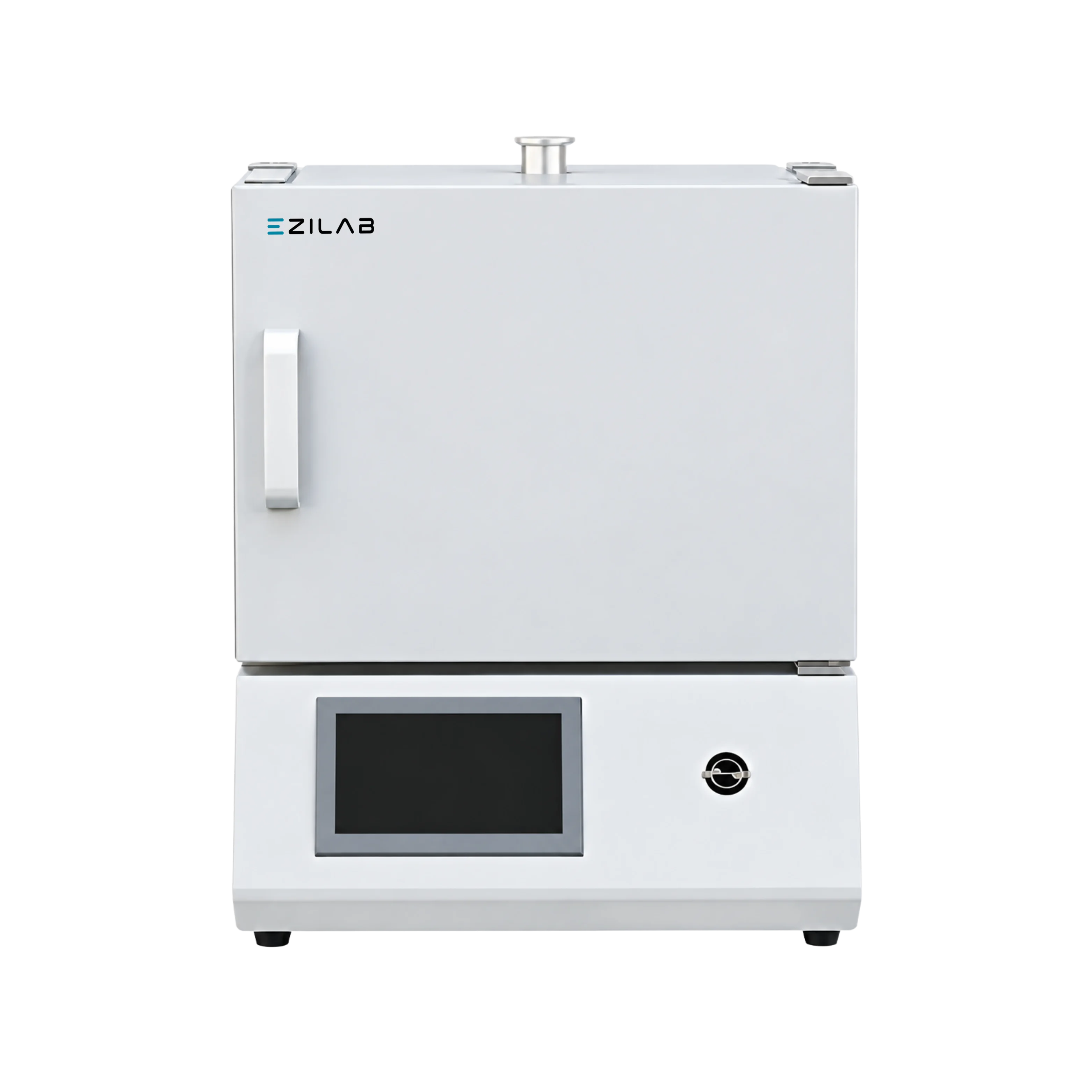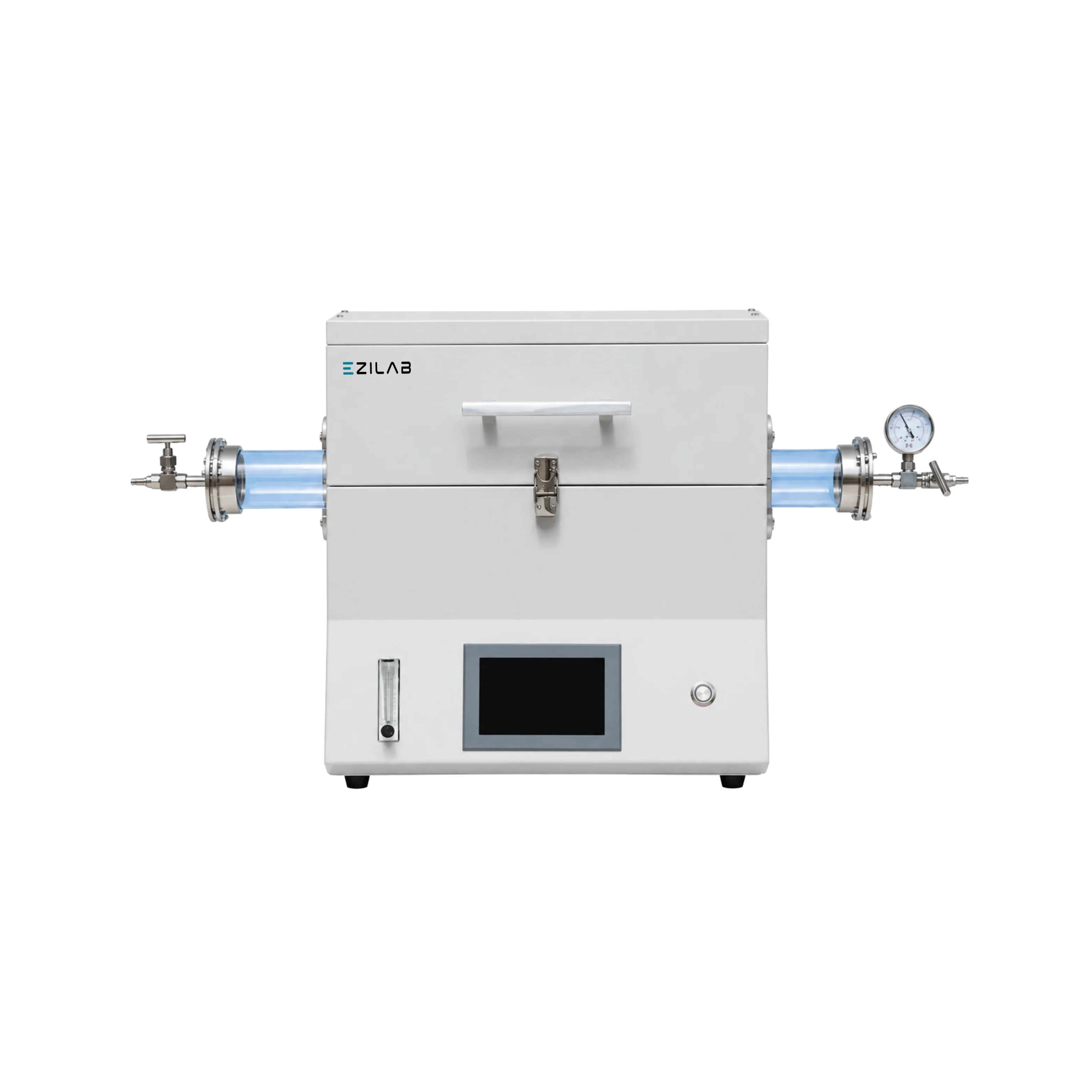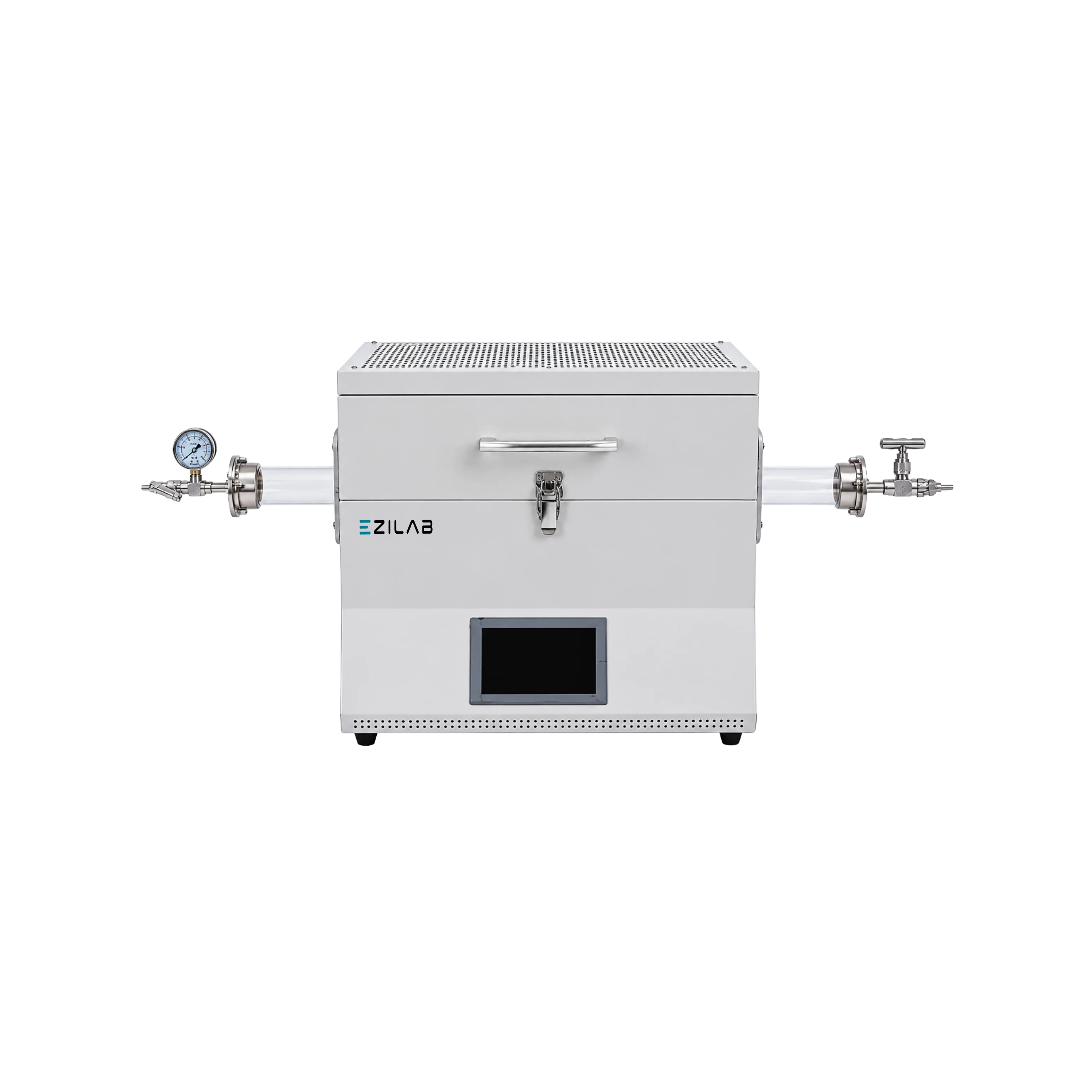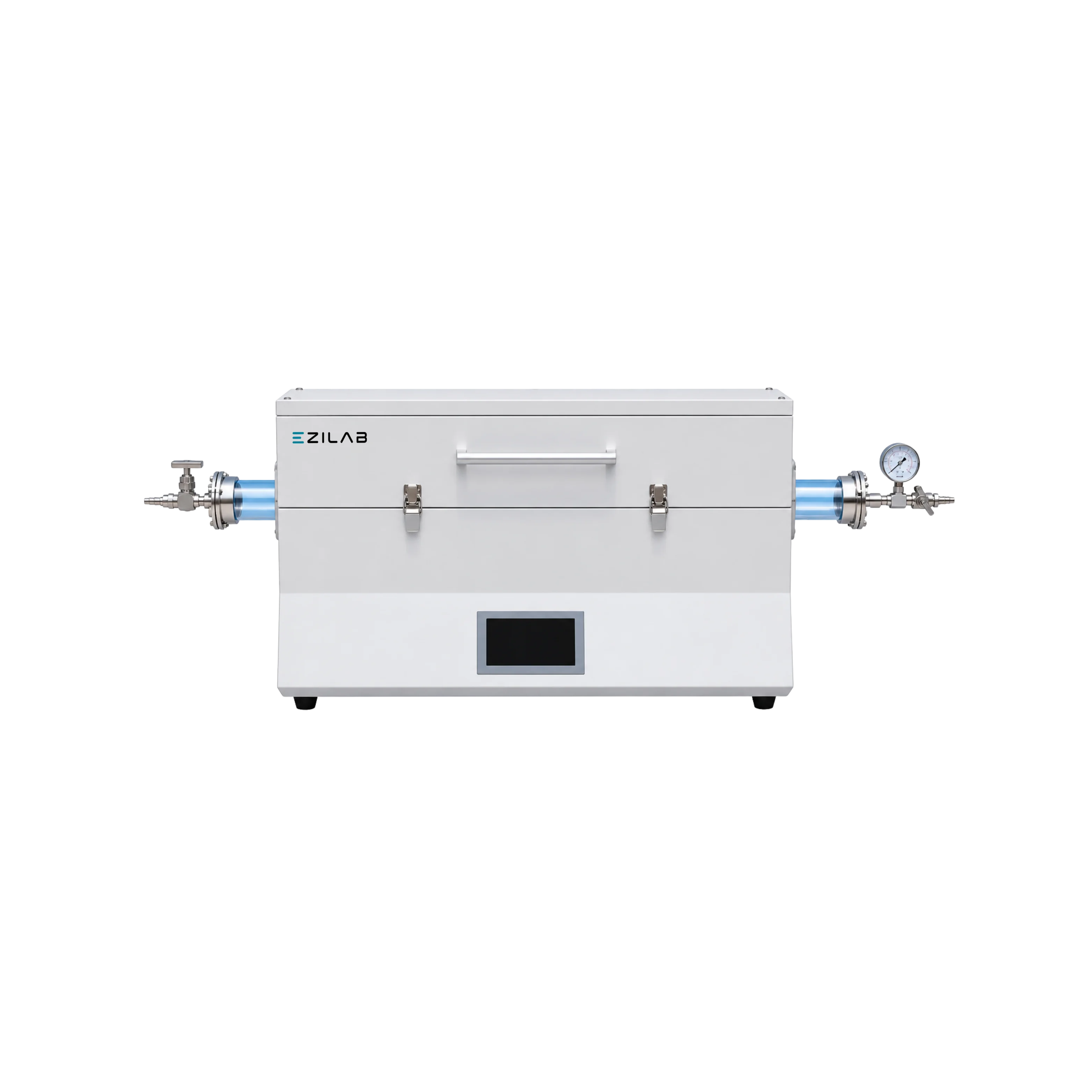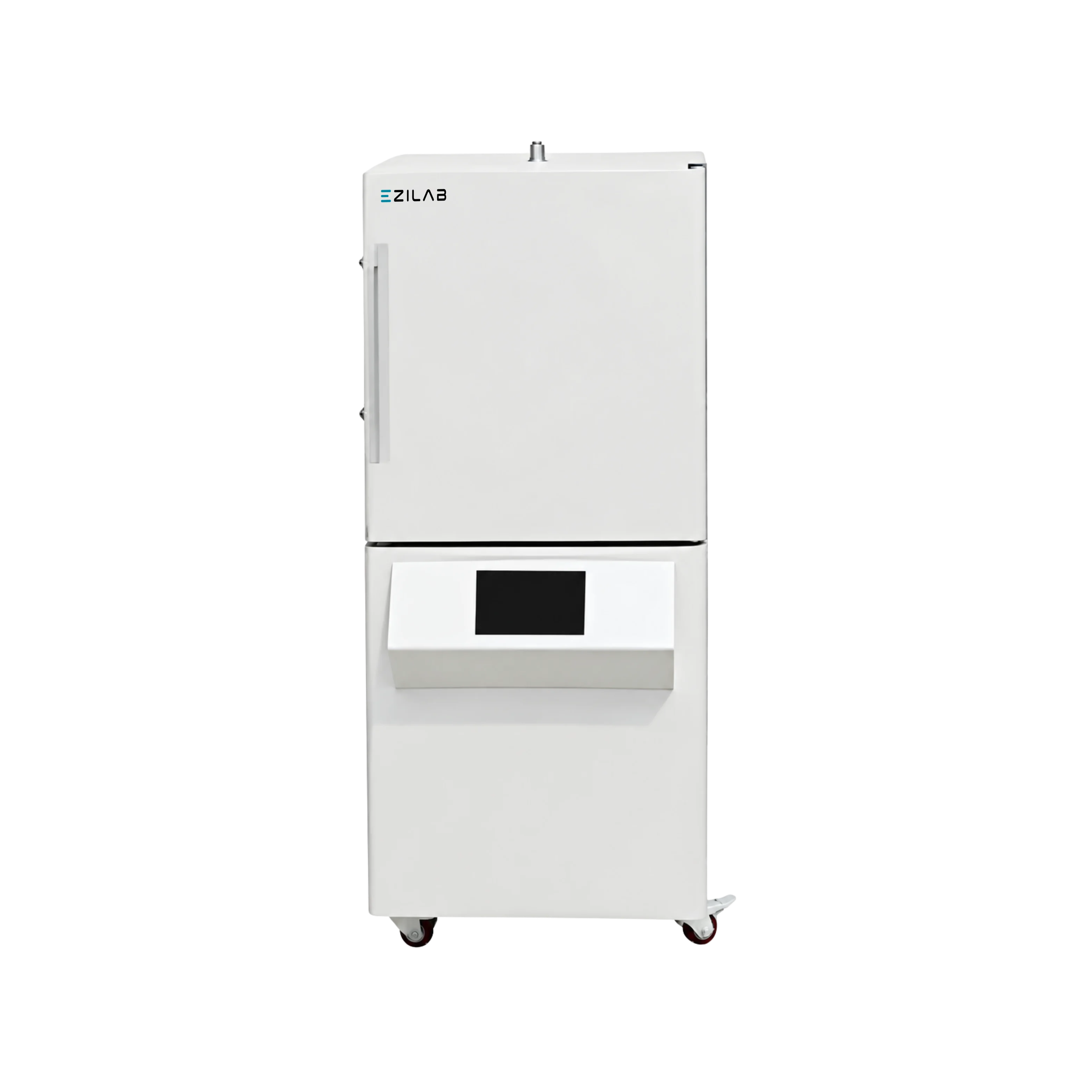
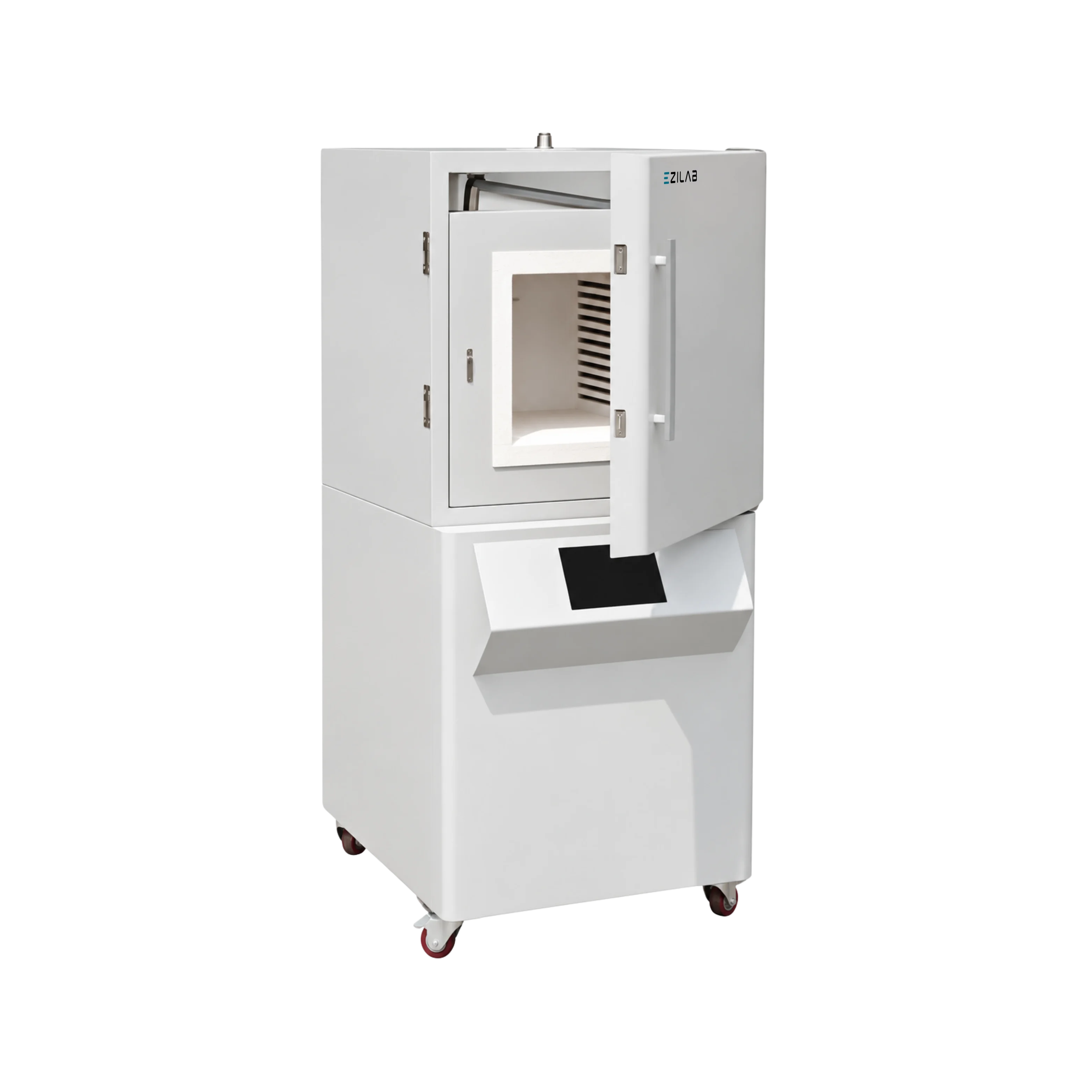
EziLab Muffle Furnace EZL-MF302 operates up to 1700°C with 36L chamber and high purity MoSi2 heating element, offering a lab muffle furnace with PID automatic control, 1°C temperature variation, 0 to 20°C/min adjustable heating rate, B-type thermocouple, and 7-inch colour touchscreen. The 36L chamber supports high-volume ultra-high-temperature loads with stable thermal exposure across the work zone. MoSi2 heating element supports stable performance up to 1700°C, while B-type thermocouple feedback supports stable regulation for advanced ceramics research, refractory testing, sintering studies, and material science workflows via Lab Equipment and EziLab's full range of furnaces for lab workflow integration.
| Capacity | 36 L |
|---|---|
| Maximum Working Temperature | 1700°C (<3 hours) |
| Continuous Working Temperature | 800 to 1650°C |
| Heating Rate | Maximum Heating Rate: 0 to 20°C/min |
| Temperature Accuracy | ±1°C |
| Thermocouple | B type |
| Heating Element | High purity MoSi2 heating element |
| Temperature Control | PID automatic control |
| Furnace Material | Double layer steel casing |
| Display | 7” colour touch screen |
| Rated Power | 12 Kw |
| Working Voltage | AC 208V to 240V, 50Hz |
| Chamber Dimension (W×D×H) | 300×300×400 mm |
| Overall Dimension (W×D×H) | 640×1530×900 mm |
| Net Weight | 240 Kg |
Ceramic fiber furnace chamber to ensure fast heating rate and save power
51 programmable segments for precise control
Intelligent sensor alarm function
Digital PID controller
Intuitive and easy to use operating menu
Easy to open door handles
Current temperature and setting temperature are displayed separately on control panel
Highly efficient fan motor ensures uniform air circulation
Excellent temperature accuracy
Simple to use and maintain
Over-temperature limit function
Less and low noise operation with gentle air currents
Vent hole on top is a perfect solution for waste gas during material sintering
These furnaces are used for various purposes such as development of new materials, including industrial and biotechnology products are being used as the basis of a common laboratory equipment.