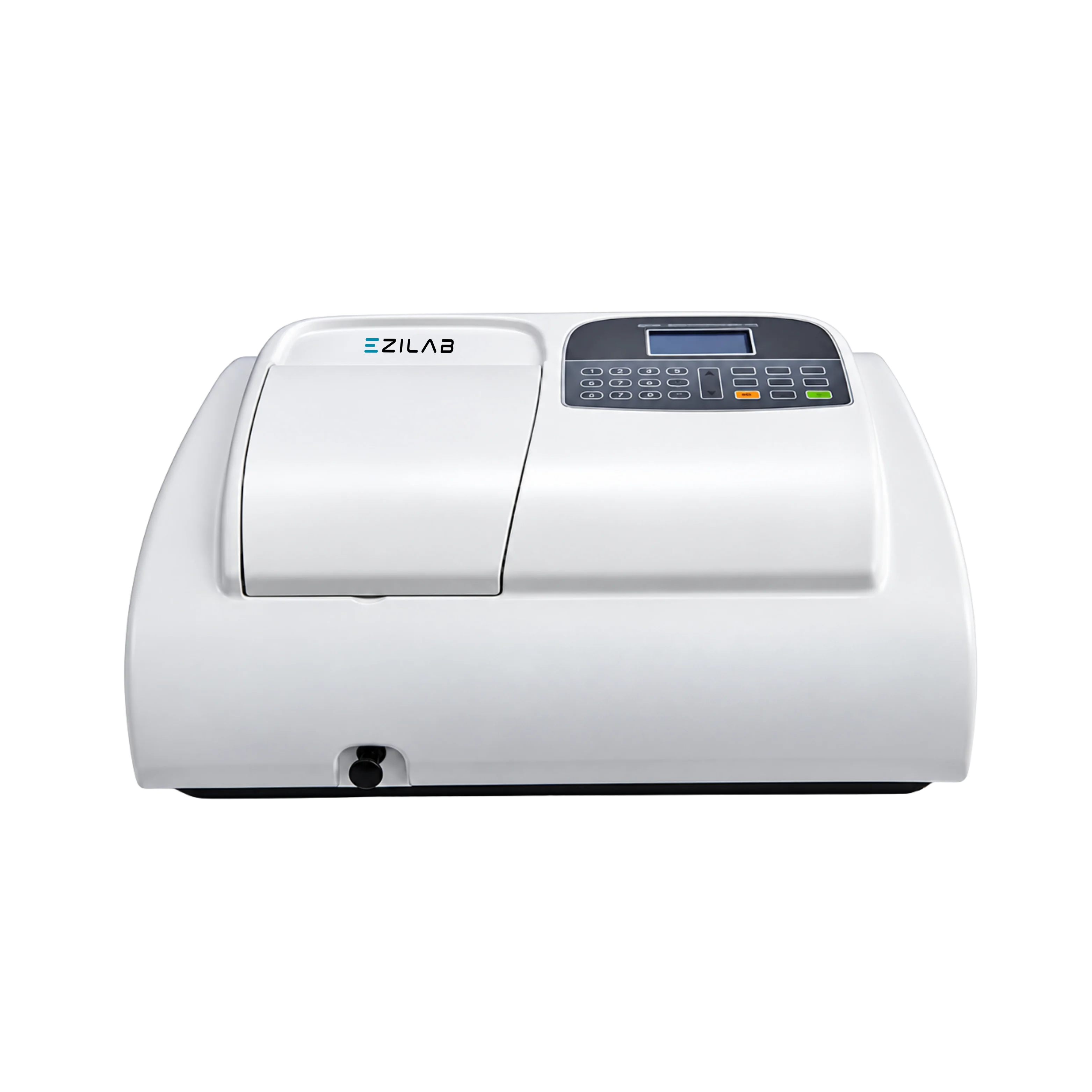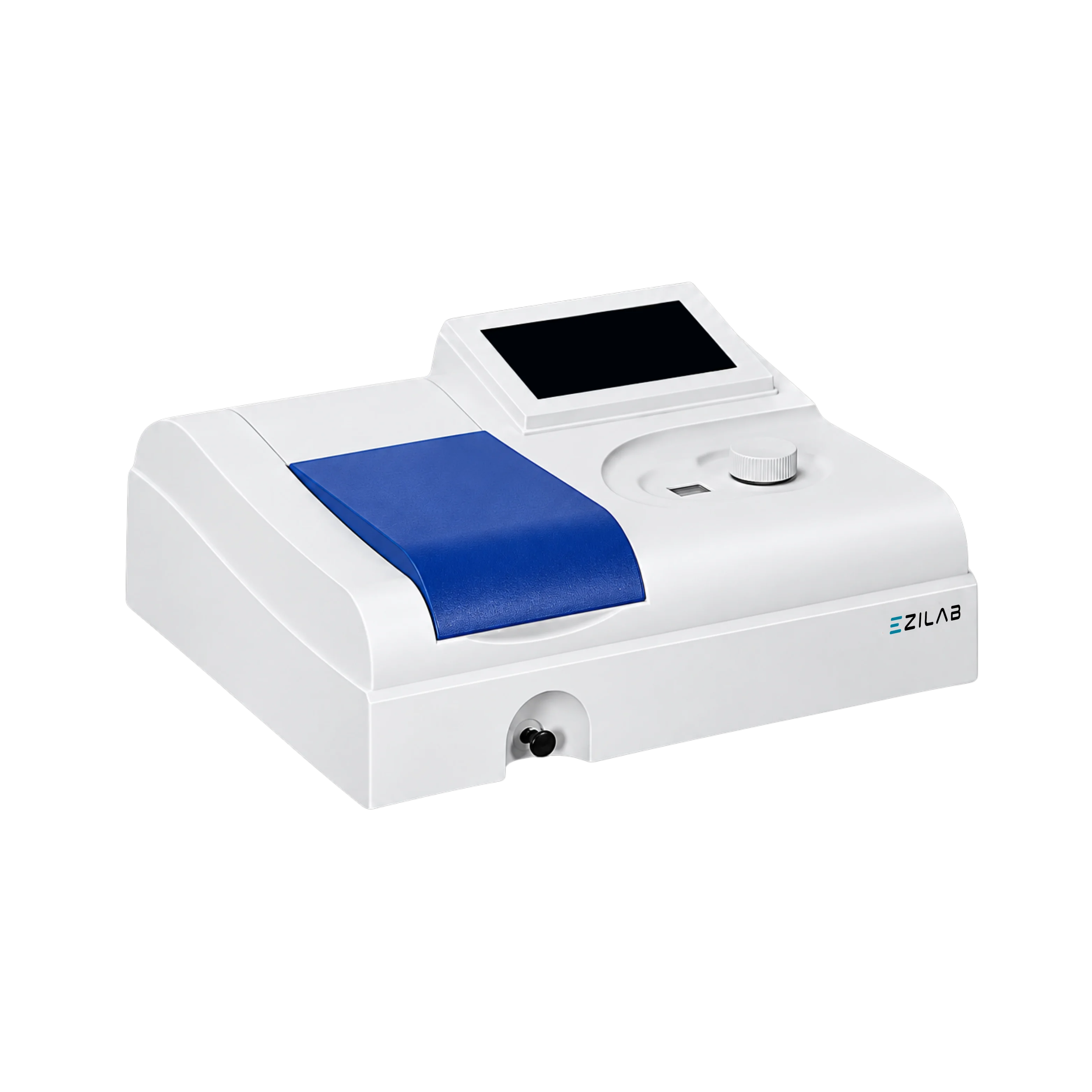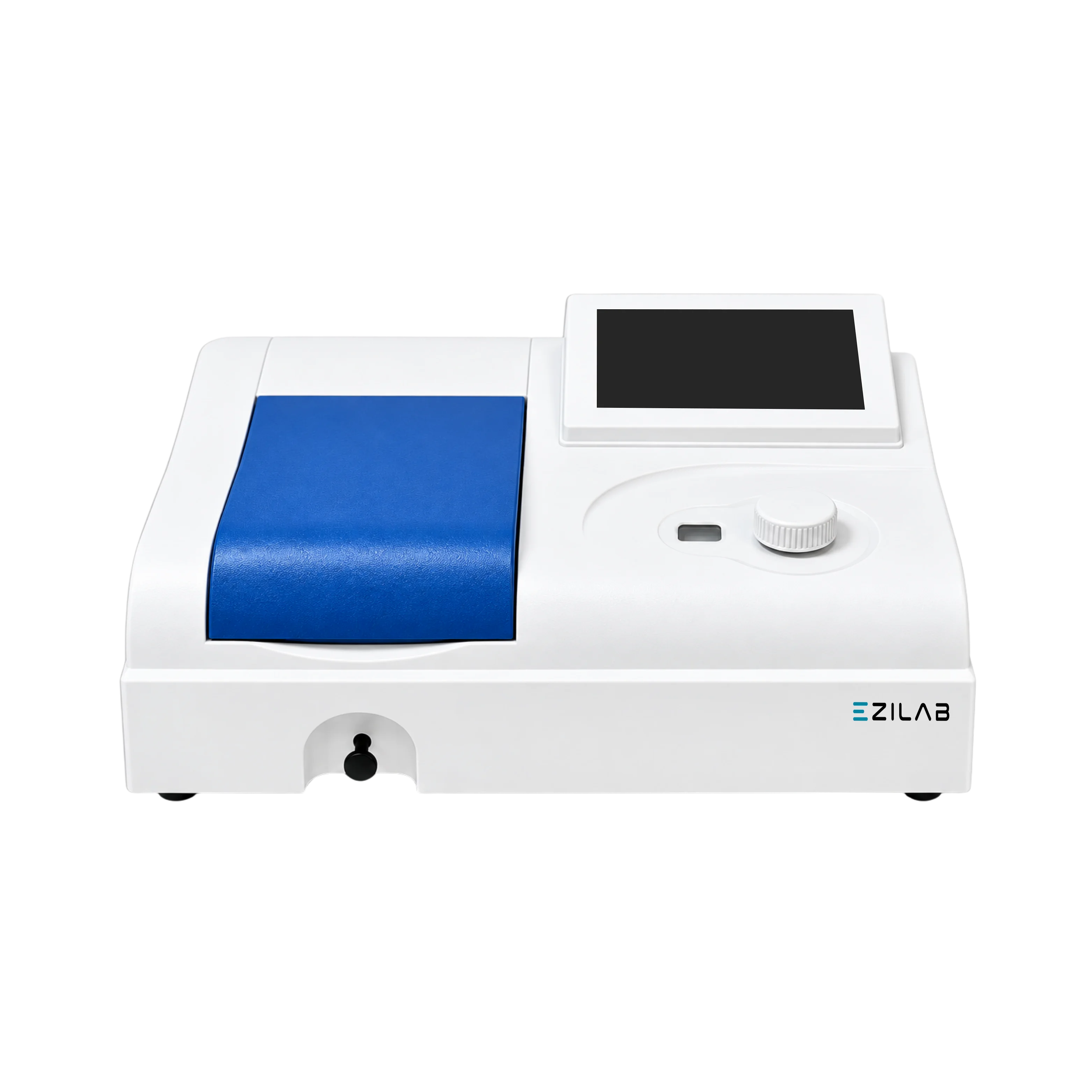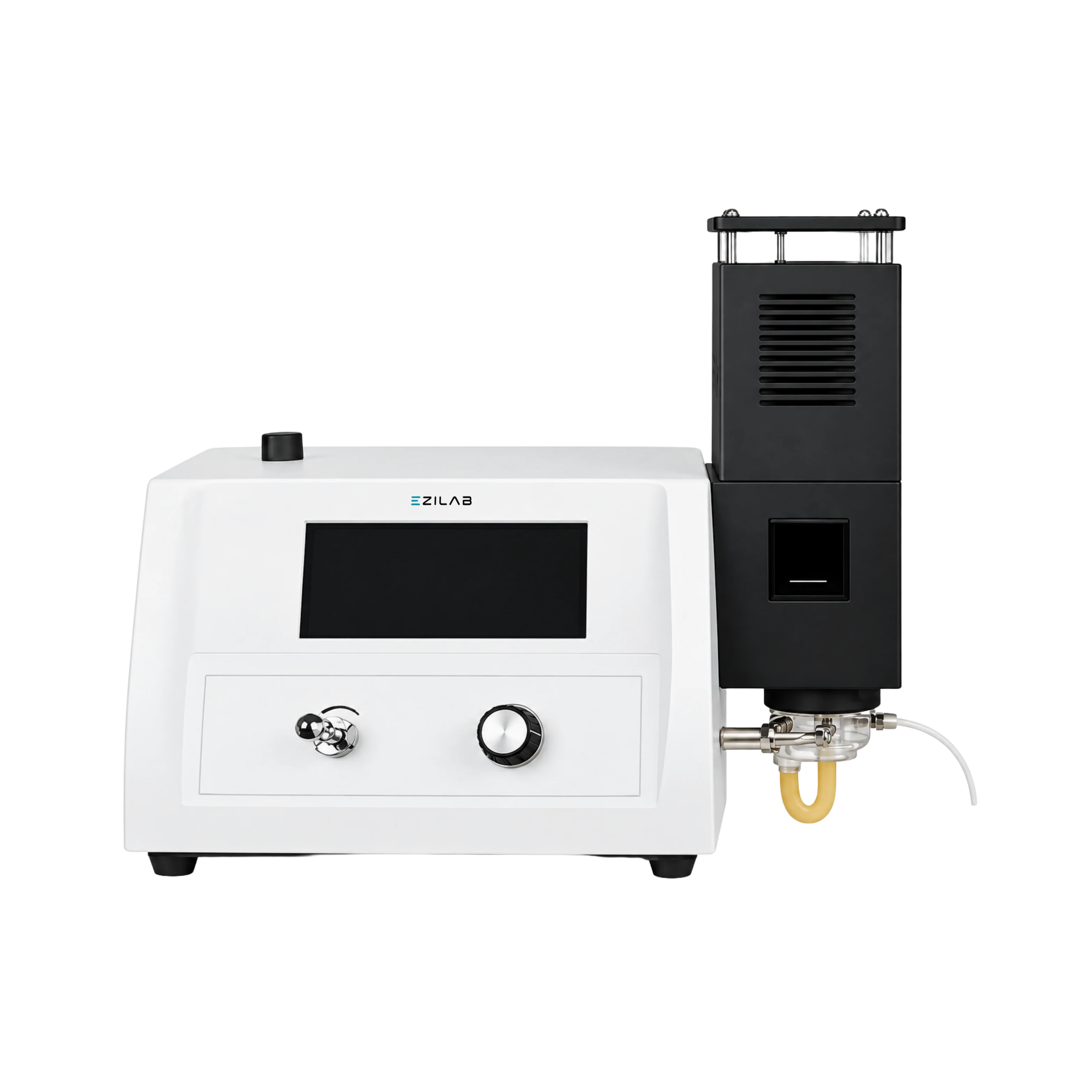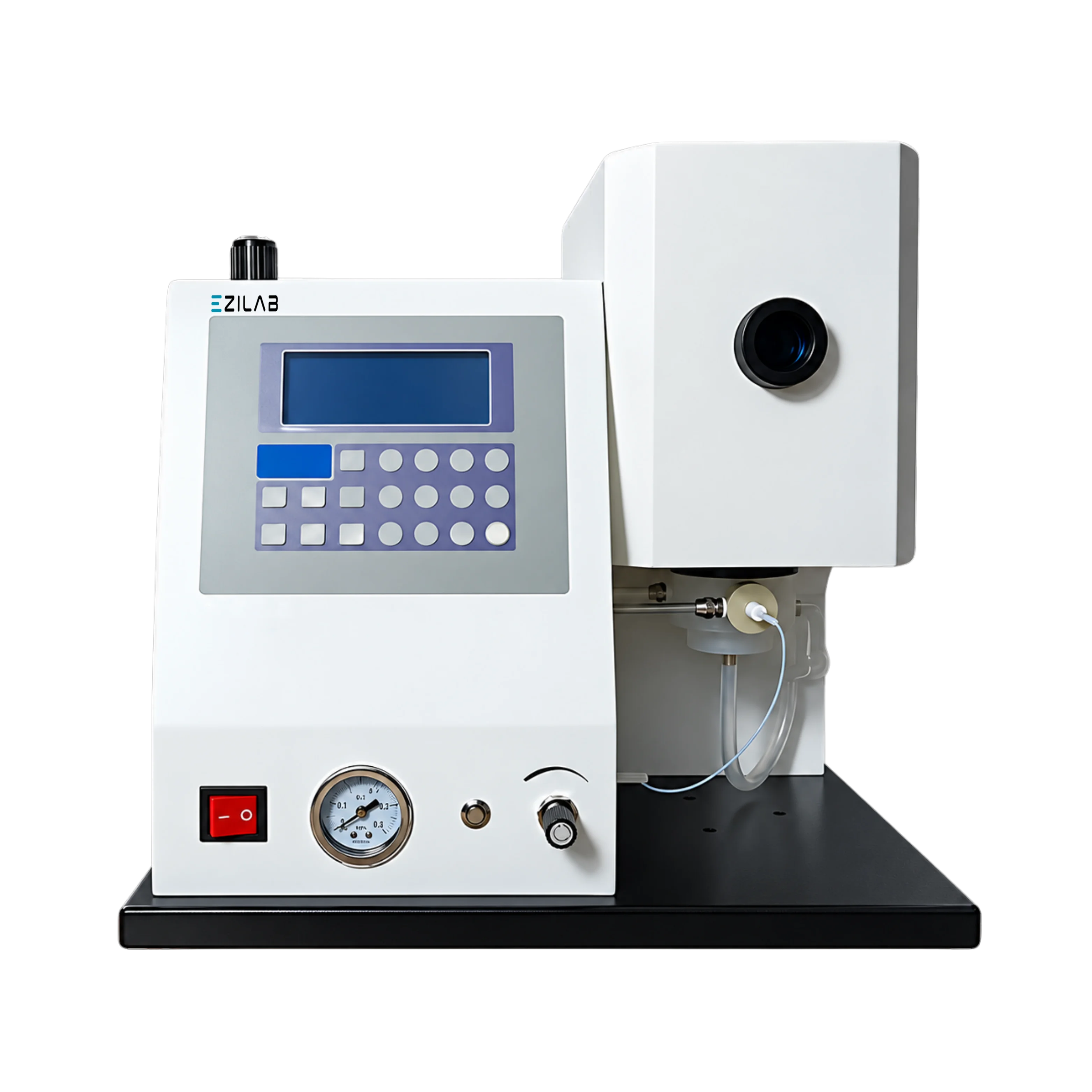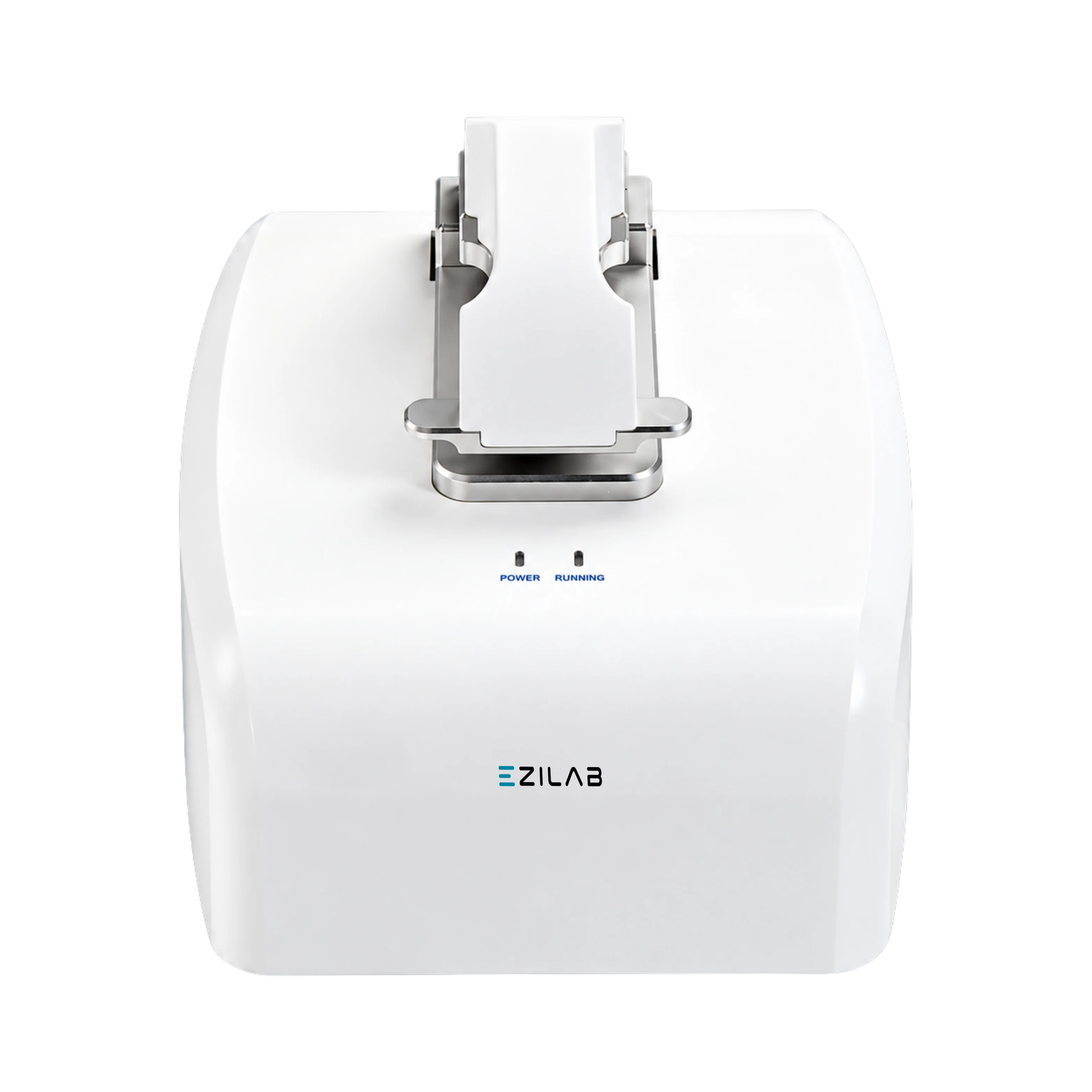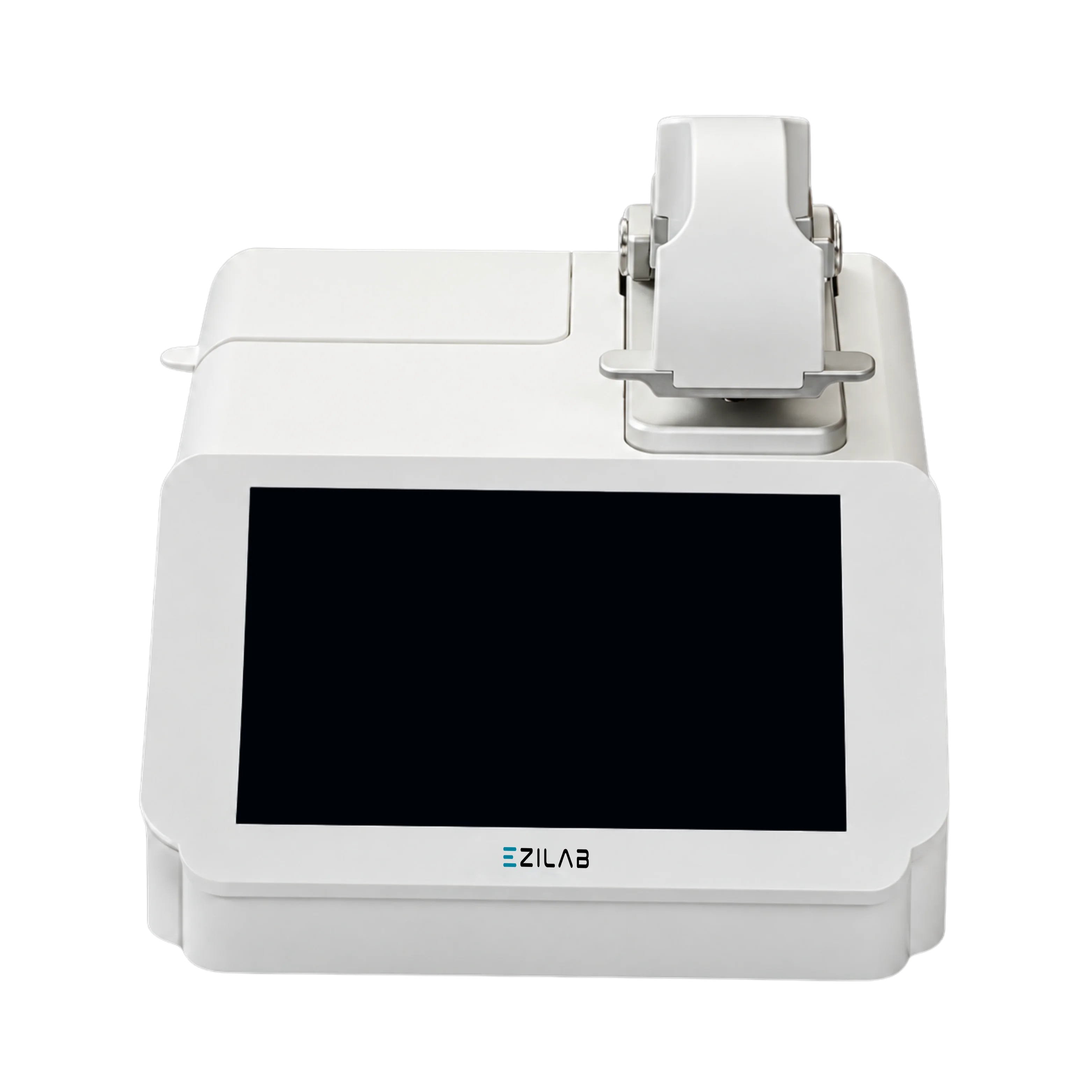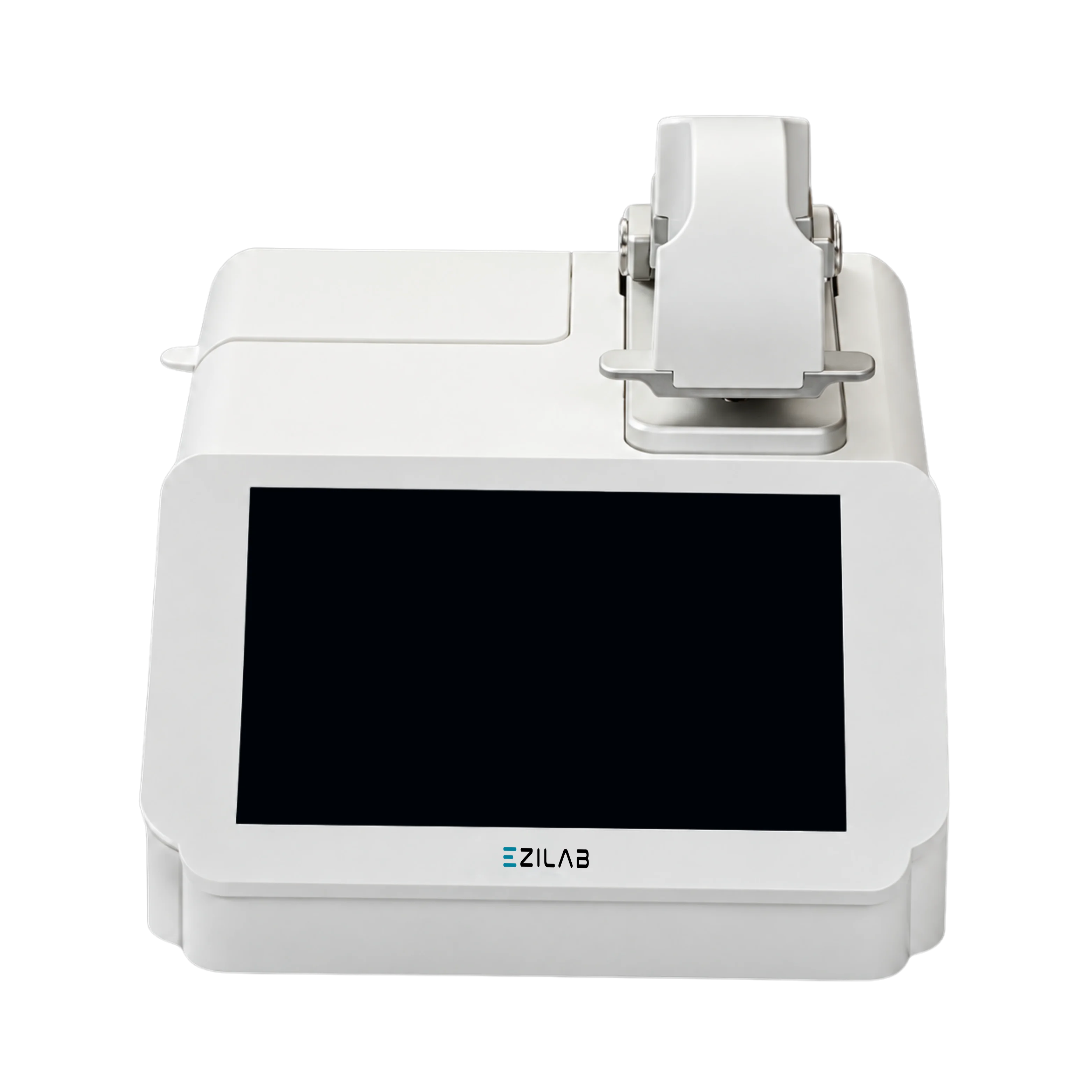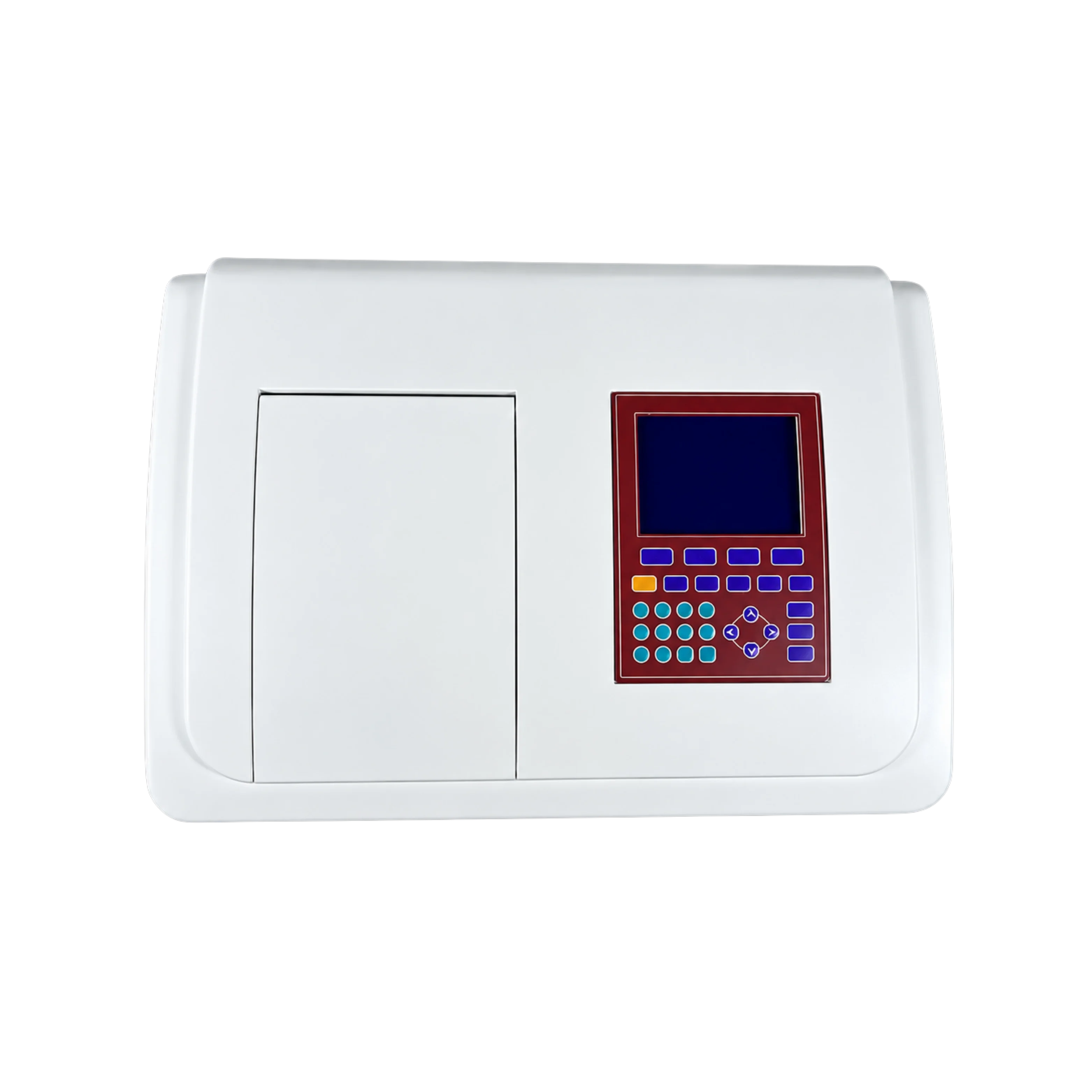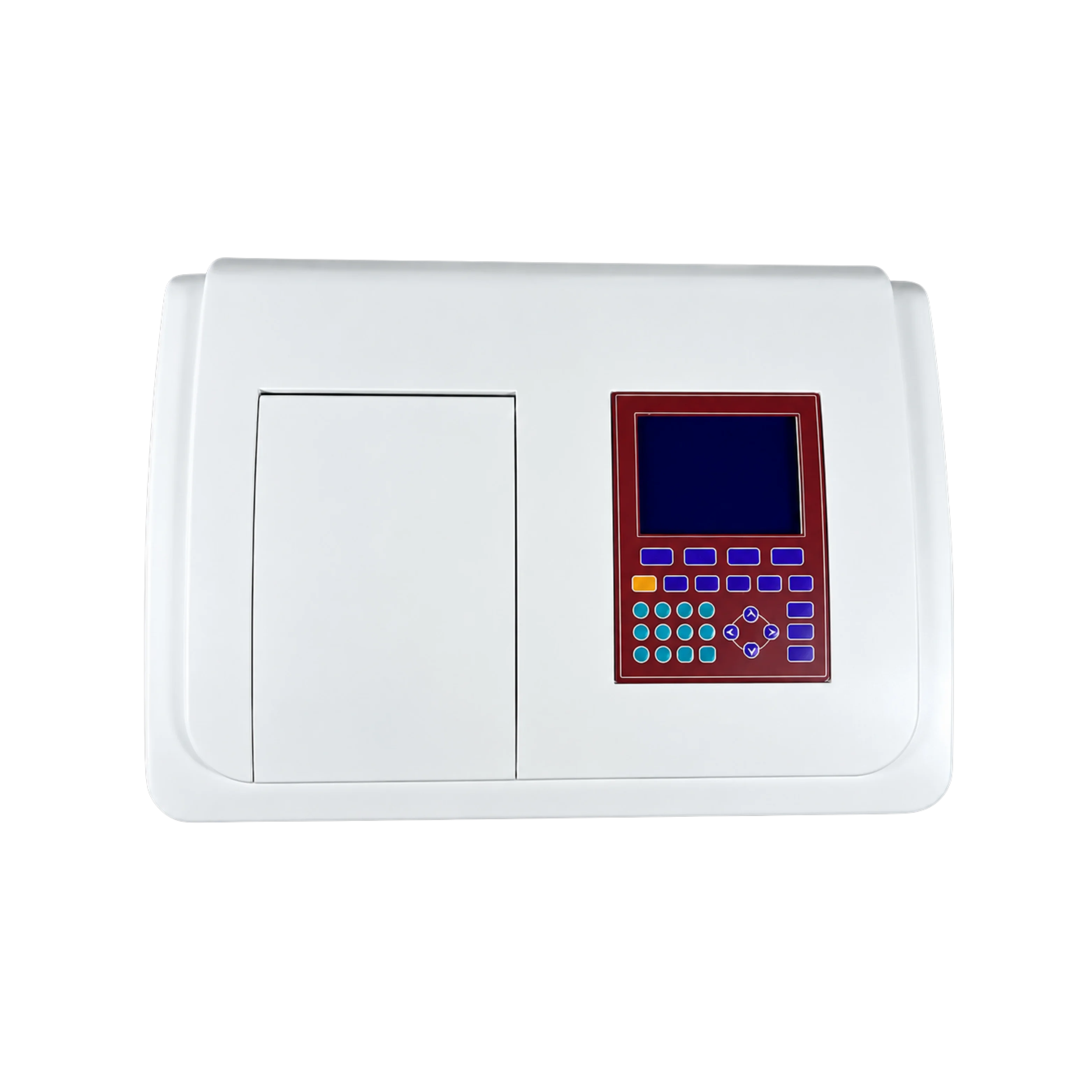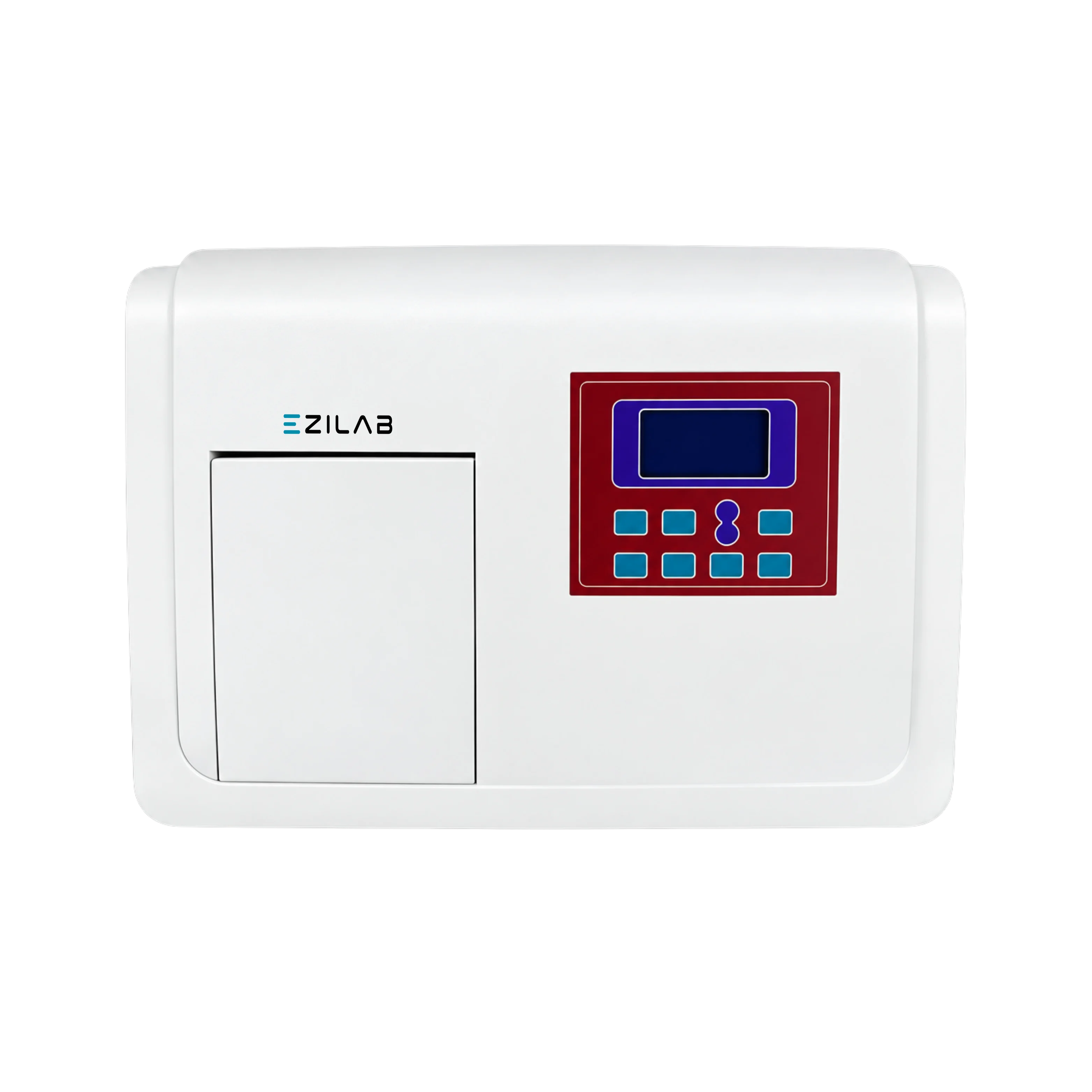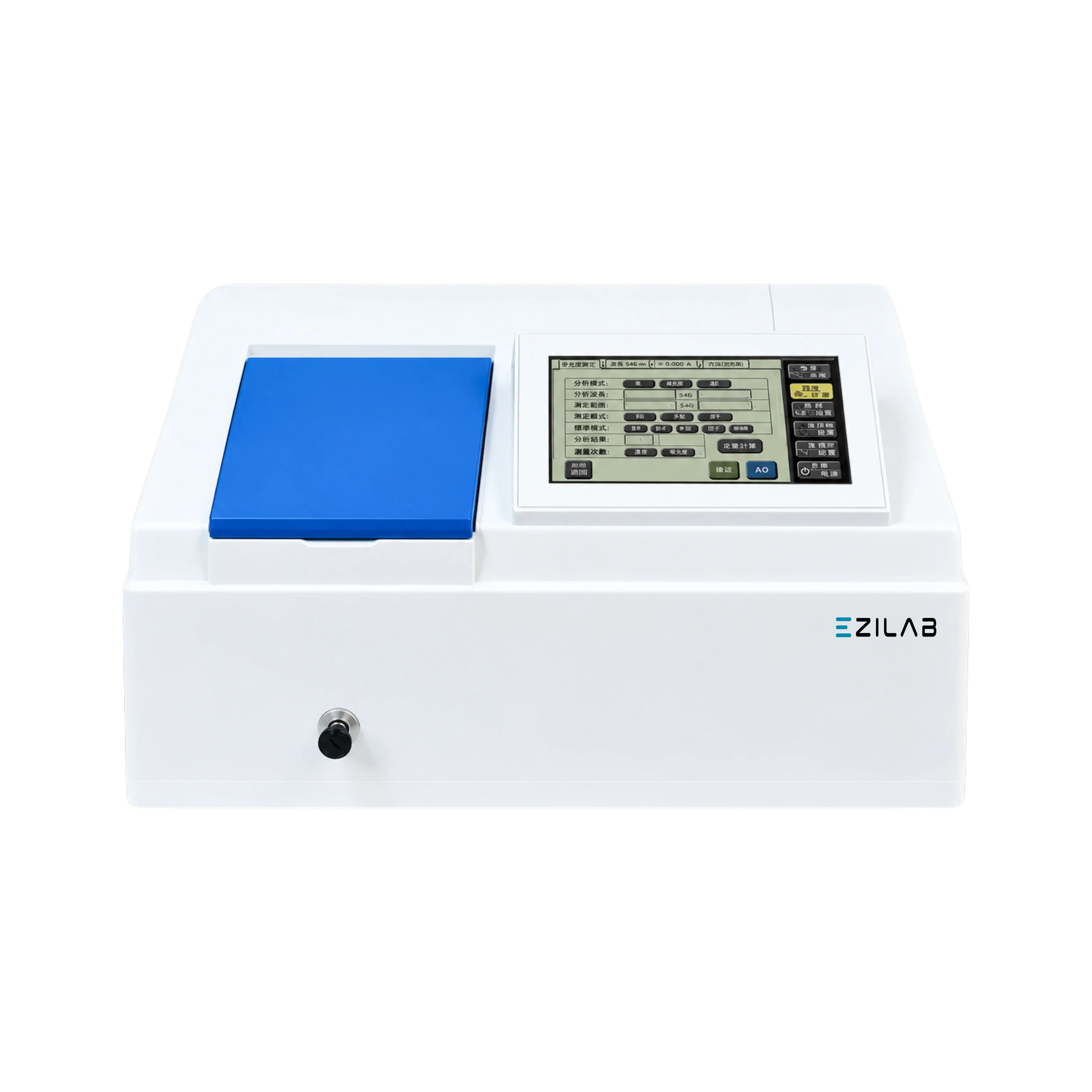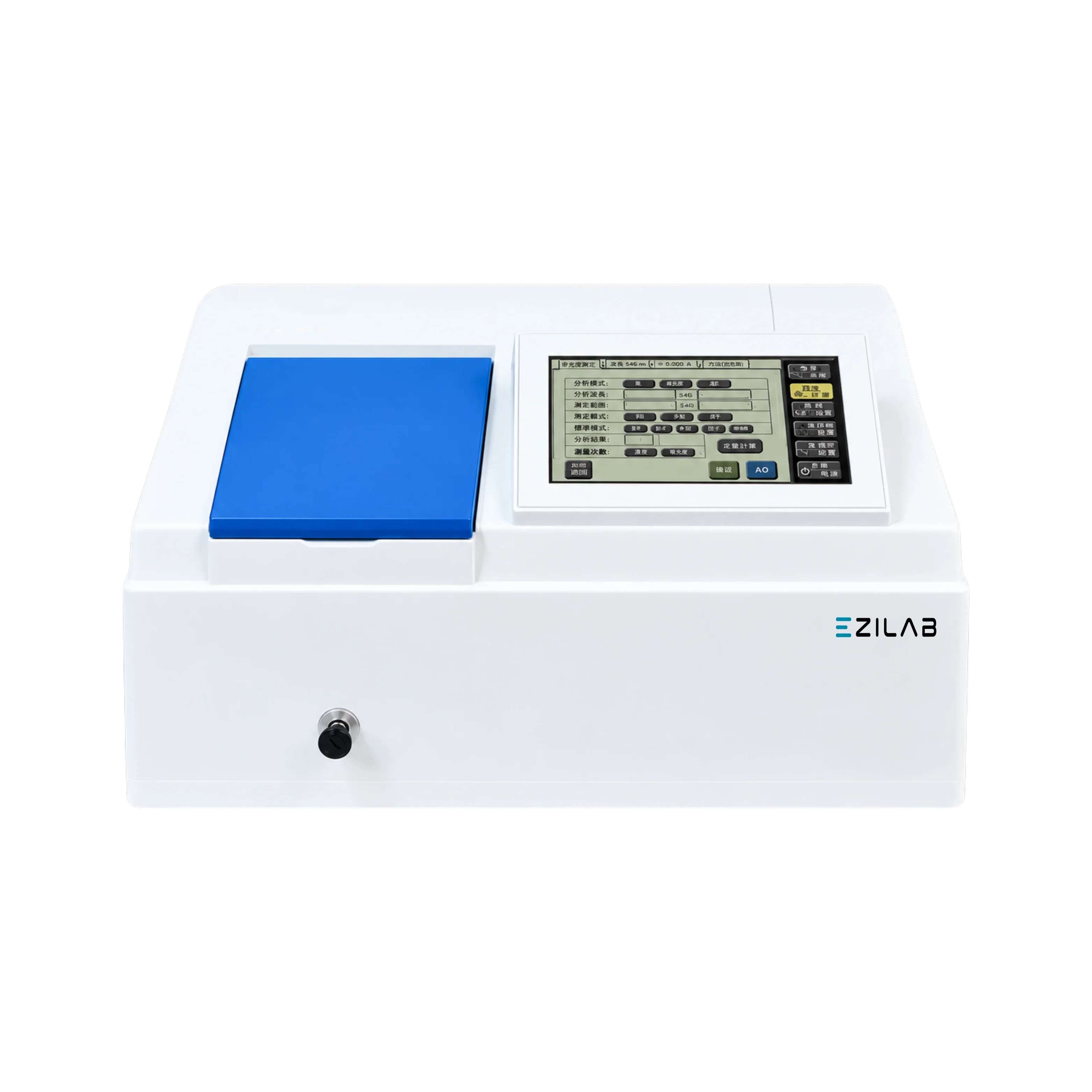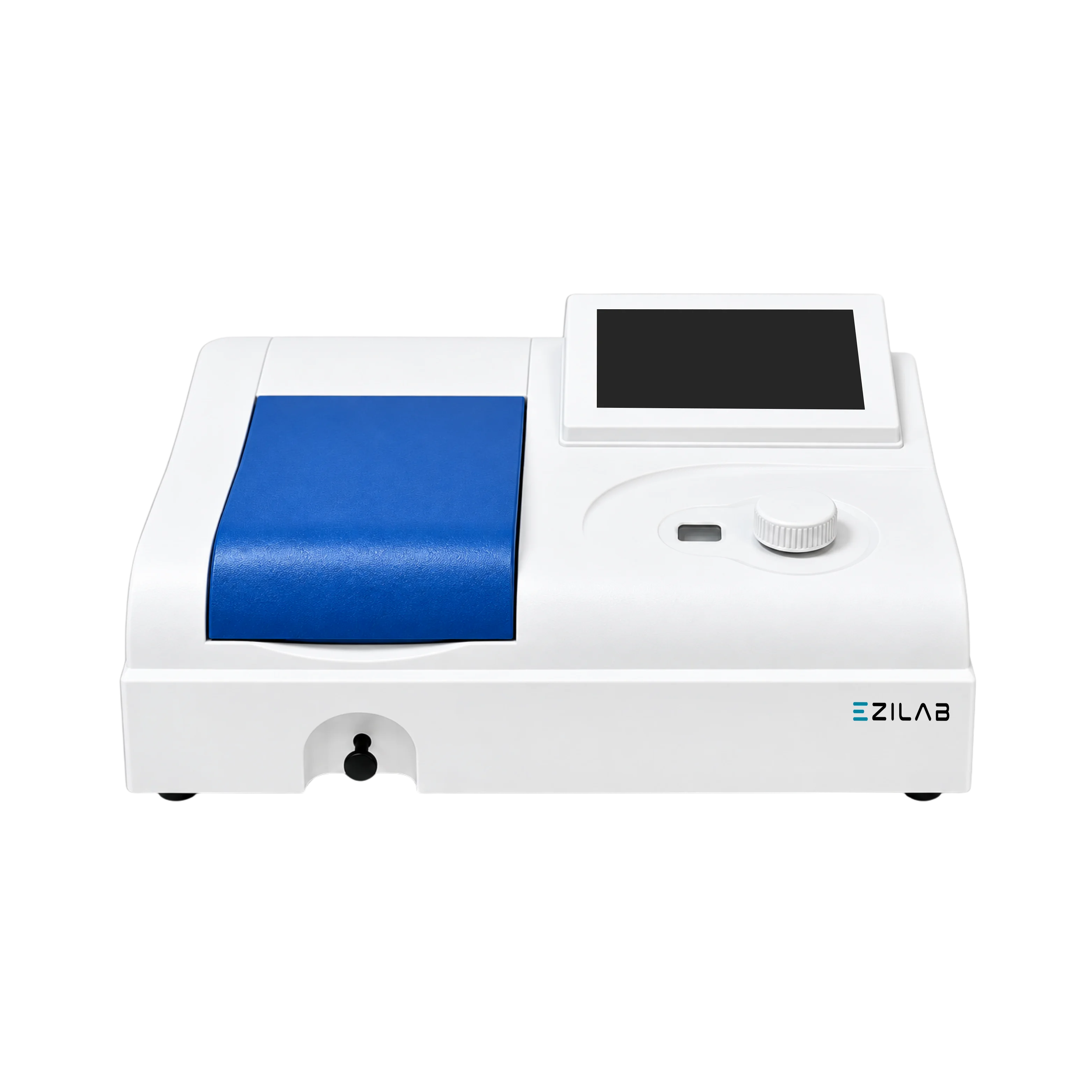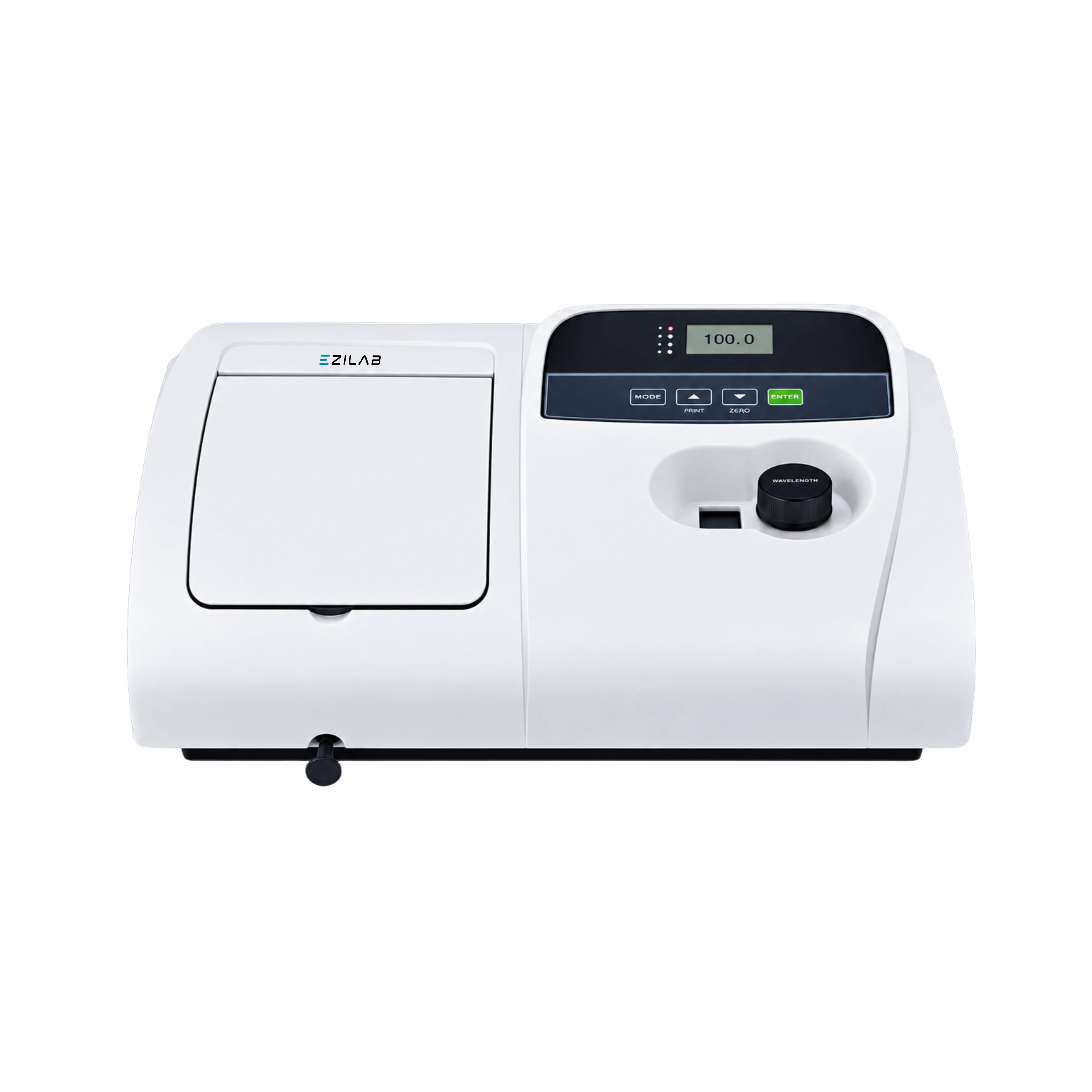
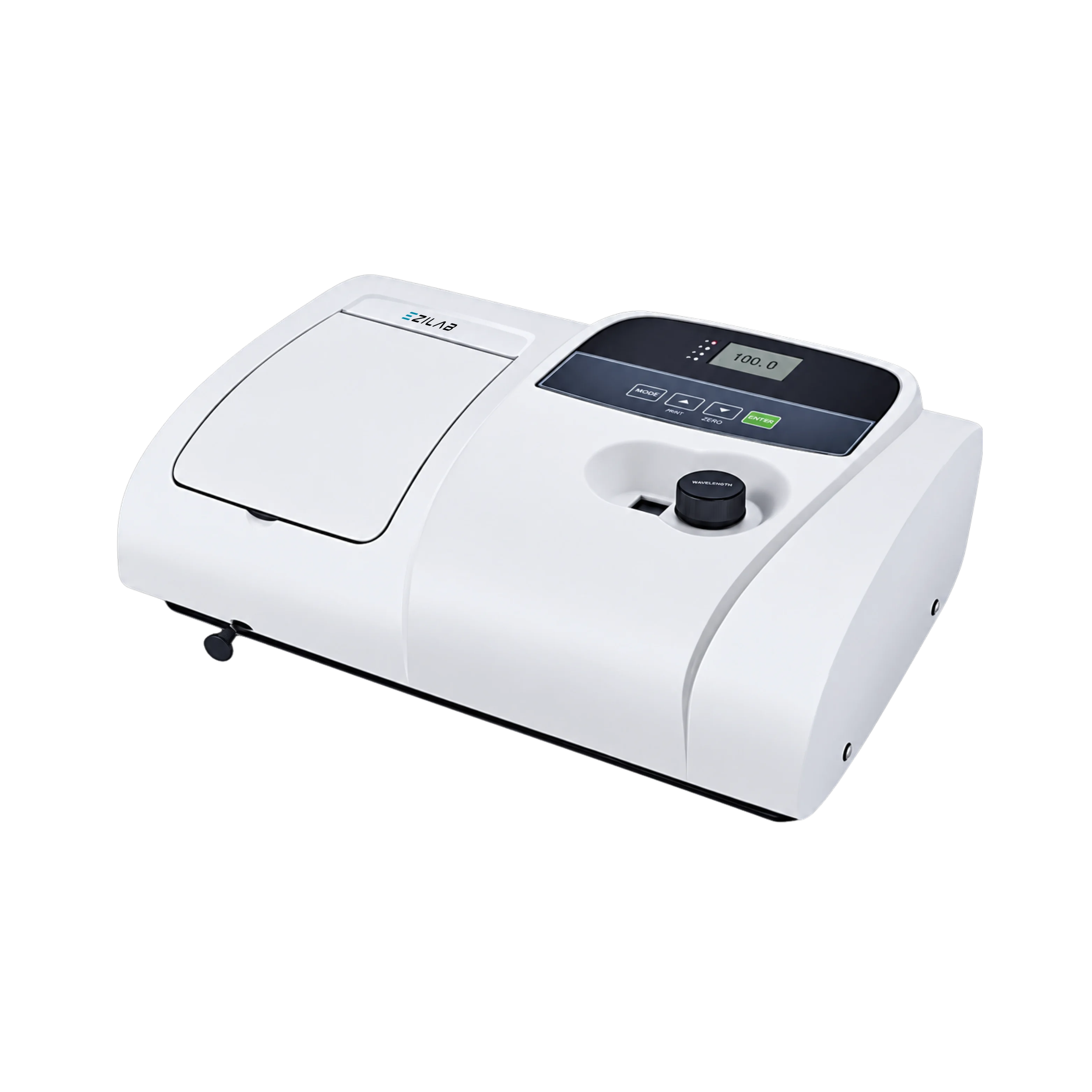
EziLab offers the Visible Spectrophotometer EZL-VS100, a single beam lab spectrophotometer reading 325 to 1000 nm at a 4 nm spectral bandwidth through a 1200 line/mm grating. Wavelength holds within 2 nm with repeatability of 0.5 nm or better, photometric readings stay within 0.5% T, and stray light is 0.2% T or less at 360 nm. A tungsten lamp, silicon photodiode, 128 by 64 dot LCD, and USB plus parallel ports run under microprocessor control on 85 to 250 V input. Transmittance, absorbance, concentration, and factor modes cover -0.3 to 3 A, 0 to 200% T, and concentrations up to 9999. Manual wavelength setting keeps colorimetric assays simple, and the unit accepts both glass cuvettes and test tubes for routine concentration checks. Four glass cuvettes, a black block, and a dust cover ship standard, while quartz and micro cuvettes are optional. Food and beverage QC labs check color and ingredient levels, and pharmaceutical teams confirm concentrations in visible-range assays. Environmental labs run colorimetric water tests, chemical plants verify batch strength, and clinical labs perform basic photometry. Teaching labs favor this benchtop spectrophotometer for its low cost and simple keypad. Manual wavelength setting costs one adjustment per assay, trivial for teaching benches but worth counting where dozens of wavelengths are switched daily, before comparing the Spectrophotometer category and Visible Spectrophotometer range.
| Wavelength Range | 325 to 1000 nm |
|---|---|
| Spectral Bandwidth | 4 nm |
| Wavelength Accuracy | ± 2 nm |
| Wavelength Repeatability | Less than or equal to 0.5 nm |
| Wavelength Setting | Manual |
| Photometric Range | - 0.3 to 3 (Absorbance), 0 to 200 % (Transmittance), 0 to 9999 (Concentration) |
| Photometric Accuracy | ± 0.5 % T |
| Photometric Repeatability | Less than or equal to 0.2 % T |
| Photometric Mode | T, A, C, F |
| Detector | Silicon Photodiode |
| Stray Light | Less than or equal to 0.2 % T at 360 nm |
| Optical System | Single Beam, grating 1200 lines/mm |
| Light Source | Tungsten Lamp |
| Display | 128 × 64 Dots LCD |
| Output | USB Port & Parallel Port |
| Power Requirements | AC 85 ~ 250 V |
| Feature Area | Description |
| Control | Microprocessor control system. |
| Data Output | Easy data output by USB. |
| Wavelength | Manual wavelength setting. |
| Build | Bench-top unit for routine lab use. |
| Optics | Single-beam optics with a tungsten lamp and silicon photodiode detector. |
| Spectrophotometer | 1 unit |
| 1cm Glass Cuvette | 4 pieces |
| Power Cord | 1 piece |
| User’s Manual | 1 piece |
| Black Block | 1 piece |
| Dust Cover | 1 piece |
| 1 | Cell Holders |
| 2 | Control Units |
| 3 | Lamps |
| 4 | Glass Cuvette With Lid |
| 5 | Quartz Cuvette With Lid |
| 6 | Micro Cuvette |
Our Visible Spectrophotometer EZL-VS100 operates within a wavelength range of 325 to 1000 nm, covering the entire visible spectrum. This allows it to perform a variety of tests for absorbance and transmittance in different sample types. It is suitable for use in clinical, pharmaceutical, and academic laboratories where accurate measurement across the visible range is required for colorimetric and concentration-based analyses. Additionally, the extended range into the near-infrared allows compatibility with some dye-based and biomolecular applications. The range also supports kinetic studies and photometric scanning.
Ezilab’s Visible Spectrophotometer EZL-VS100 is compatible with both glass cuvettes and test tubes, allowing flexible sample testing. It is ideal for analyzing liquid samples for applications like chemical concentration measurement, colorimetric assays, and quality control in industries such as pharmaceuticals, food, beverages, and environmental testing. The sample holder is designed to accommodate standard 1 cm cuvettes, ensuring easy handling and consistent results. The system also supports temperature-stable measurements and low-volume sample testing when paired with appropriate accessories, making it suitable for high-throughput environments.
The Visible Spectrophotometer EZL-VS100 ensures high accuracy and repeatability with a wavelength accuracy of ±2 nm and photometric accuracy of ±0.5%T. It features a 4 nm spectral bandwidth and ?0.2%T stray light, which contributes to precise and reliable measurements. These specifications make the device dependable for routine and critical analysis in laboratory settings, ensuring consistent results over repeated measurements. Additionally, internal self-diagnostics help maintain performance stability, and optical filters are factory-aligned to reduce calibration drift over time.
Ezilab’s Visible Spectrophotometer EZL-VS100 has a 128 × 64 dot LCD display, which provides clear readouts of absorbance, transmittance, and concentration values. It includes a manual wavelength setting and an intuitive keypad for simple operation. For data export and connectivity, the instrument is equipped with both USB and parallel ports, allowing users to easily connect to external devices such as printers or computers for data management and documentation. It also supports basic data logging and can interface with analysis software for enhanced functionality.
The Visible Spectrophotometer EZL-VS100 is widely used across several industries, including clinical diagnostics, pharmaceutical research, environmental testing, and the food and beverage sector. Its ability to deliver precise absorbance and transmittance readings makes it ideal for analyzing the concentration of chemical substances, monitoring product quality, and performing research-based experiments. Its compact design and easy usability also make it suitable for academic institutions and teaching laboratories. Moreover, its reliable performance under varied environmental conditions supports field labs and on-site quality checks.
The Visible Spectrophotometer EZL-VS100 is designed with simplicity in mind, making it highly accessible for students and first-time users. Its manual wavelength adjustment combined with a clear LCD and tactile keypad ensures intuitive operation without requiring extensive technical knowledge. The robust build and straightforward controls reduce the learning curve, making it an excellent teaching tool in academic labs. It also comes with a quick start guide and built-in calibration options for ease of setup. Maintenance is minimal, allowing uninterrupted learning and hands-on lab practice.