Analyzers

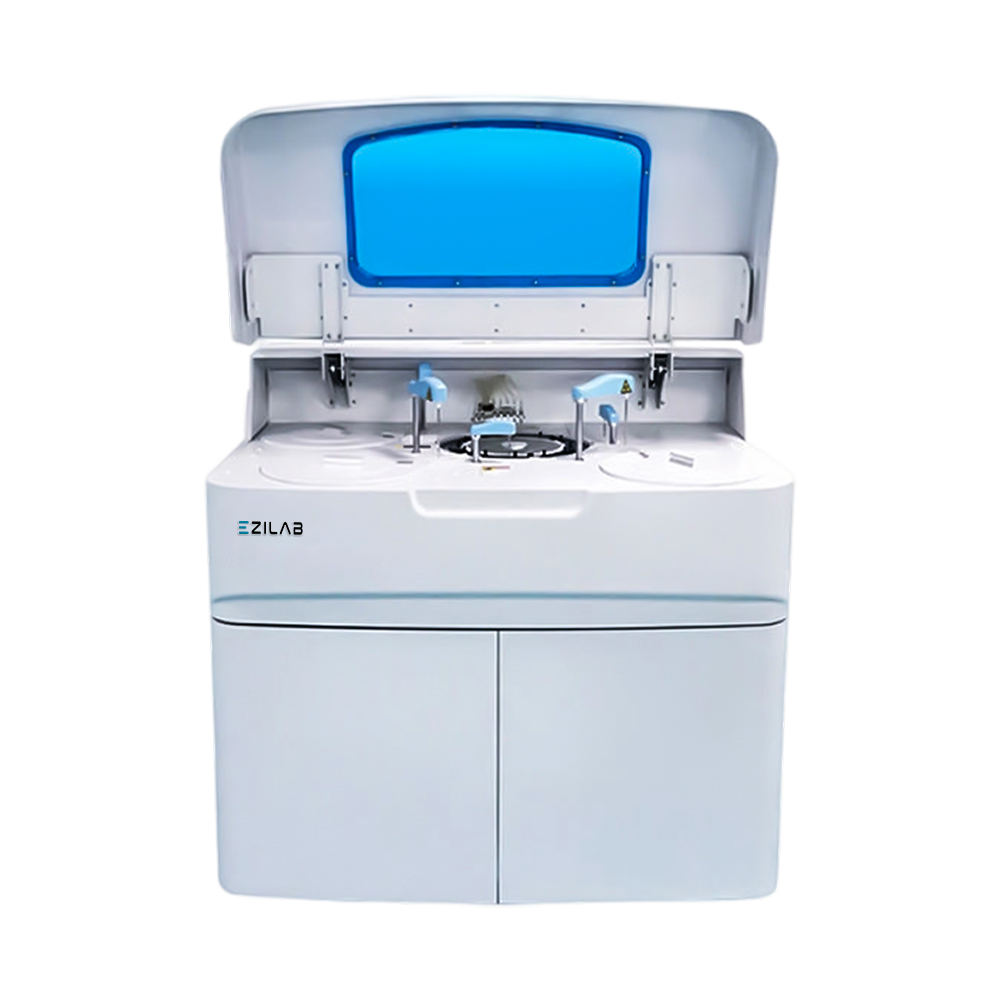
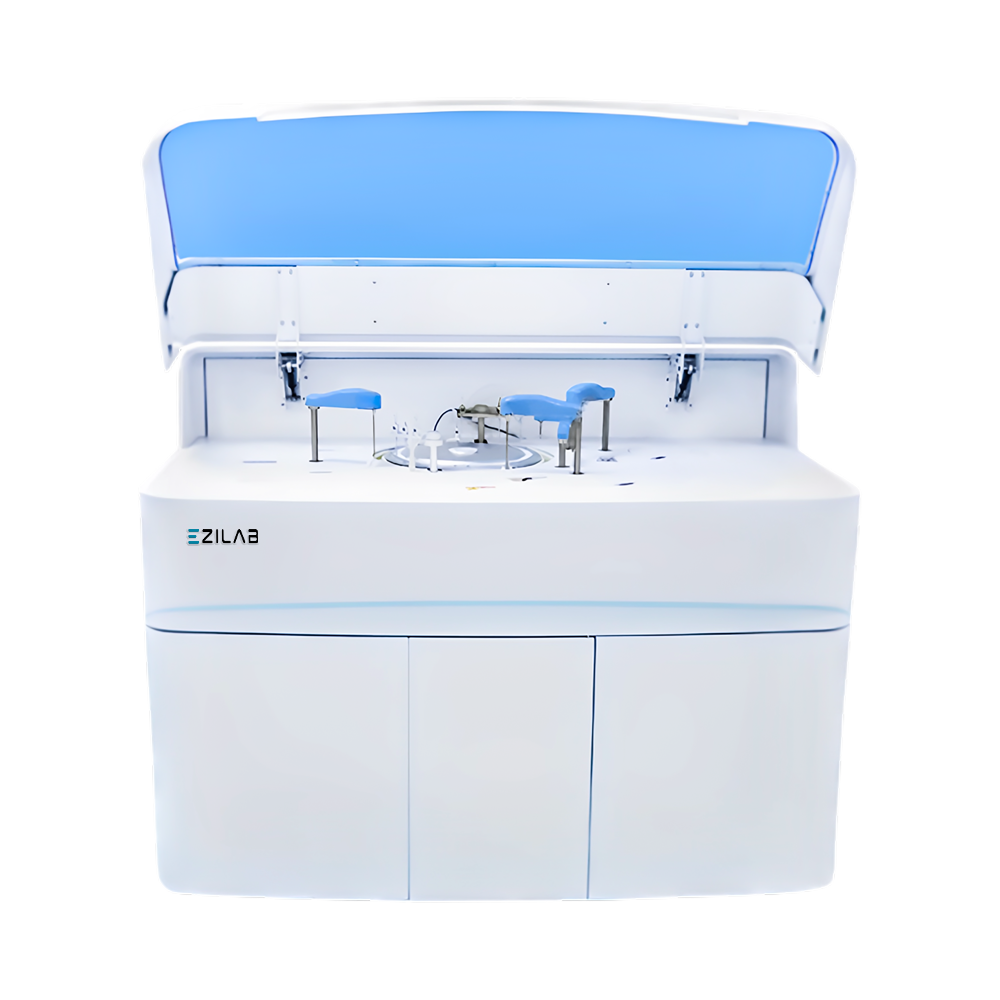
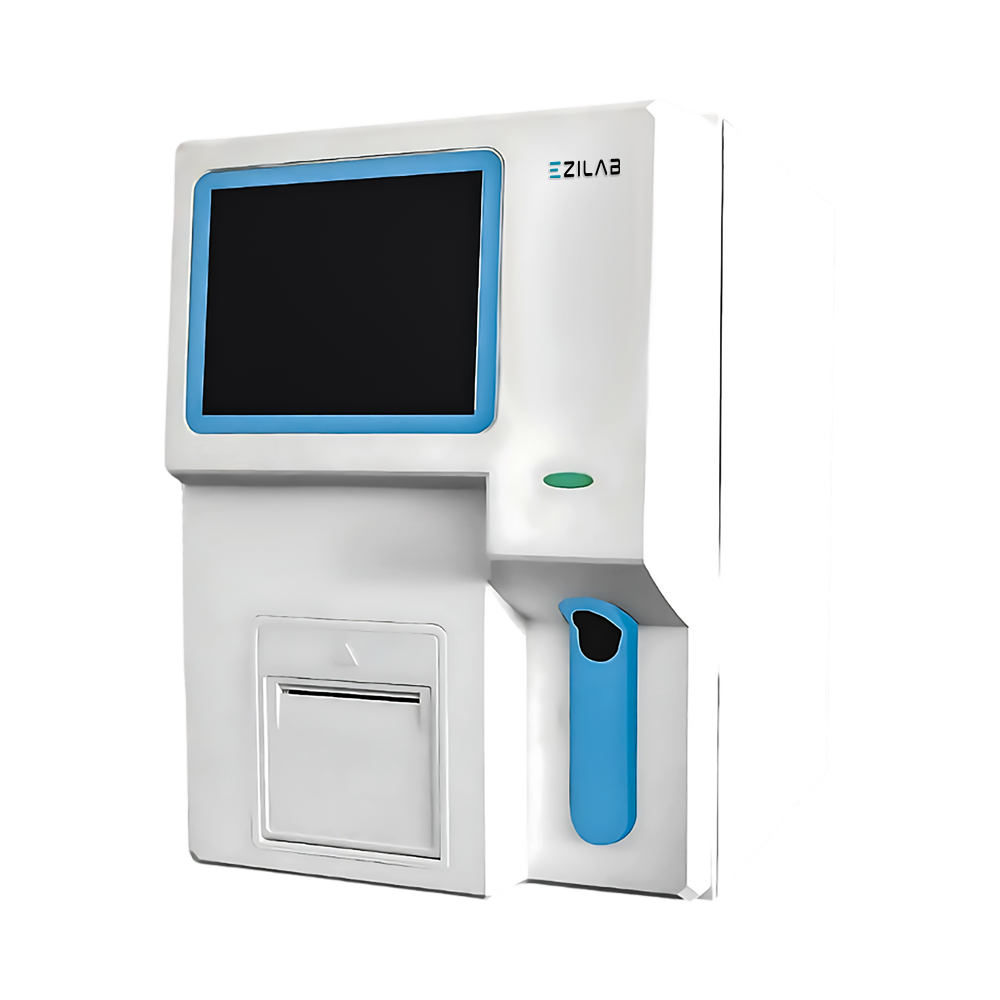
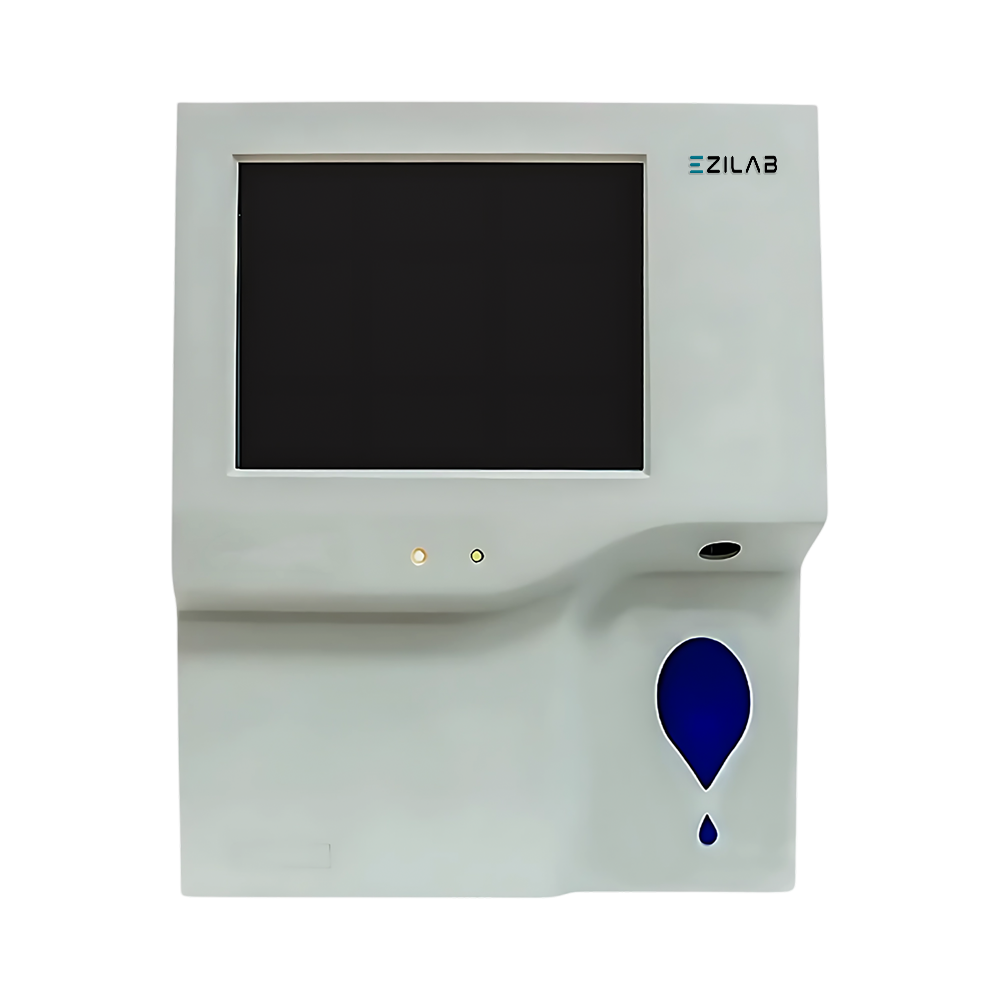
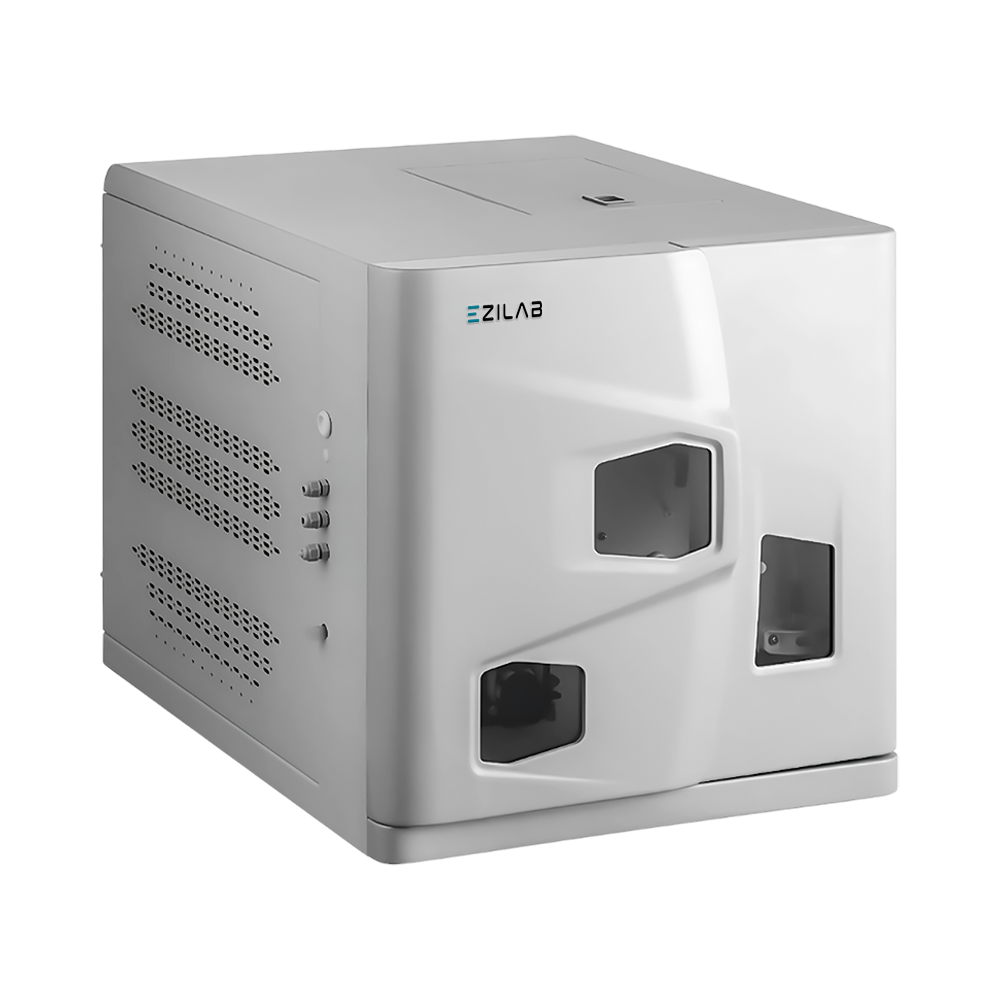
Ezilab manufactures Analyzers that are ISO-Certified for clinical laboratories, hospitals, diagnostic facilities, pharmaceutical QA units, environmental testing centers, and academic science programs requiring structured analytical workflows. The range includes Chemistry Analyzer, Hematology Analyzers, IR Carbon Sulphur Analyzer, TOC Analyzers, and Biochemistry Analyzer, covering chemical, elemental, organic carbon, and biochemical evaluation needs across routine and specialized studies. Our Analyzers integrate into regulated and research-focused environments where consistent readings, stable performance, and well-documented processes contribute to informed interpretation and quality-driven reporting. ISO-certified production ensures standardized manufacturing, validated accuracy procedures, and global alignment suitable for institutions balancing high-throughput operations with advanced analytical requirements. Laboratories in life sciences, metallurgy, food chemistry, water testing, and applied research rely on our Analyzers to maintain clarity-centered analysis, organized sample handling, and reproducible outcomes—a level of analytical continuity laboratories can put into practice today.

  • Throughput: 200 test per hour
  • Repeatability: CVs 3%
  • Sample Volume: 2 to 30 µL, step by 0.1µL
  • Reagent Volume: 20 to 300 µL
  • Throughput: 200 tests/hour
  • Sample Volume: 2 to 70 µl
  • Reagent Volume: 20 to 350 µl
  • Sample Positions: 37 sample positions
  • Throughput: 200 tests/hour
  • Sample Volume: 2-70 µl
  • Reagent Volume: 20-350 µl
  • Sample Positions: 49 sample positions
  • Throughput: 420 photometric tests per hour, up to 626 tests per hour with ISE
  • Sample Volume: 1.5μL to 45μL, step by 0.1μL
  • Reagent Volume: 10μL to 200μL, step by 0.5μL
  • Sample Positions: 102 sample positions
  • Throughput: 600 tests/hour
  • Sample Volume: 2 to 70 µl
  • Reagent Volume: 20 to 350 µl
  • Sample Positions: 90 sample positions
  • Throughput: 800 tests/hour, 1200 tests/hour with ISE
  • Sample Volume: 2 to 70 µl
  • Reagent Volume: 20 to 350 µl
  • Sample Positions: 150 sample positions
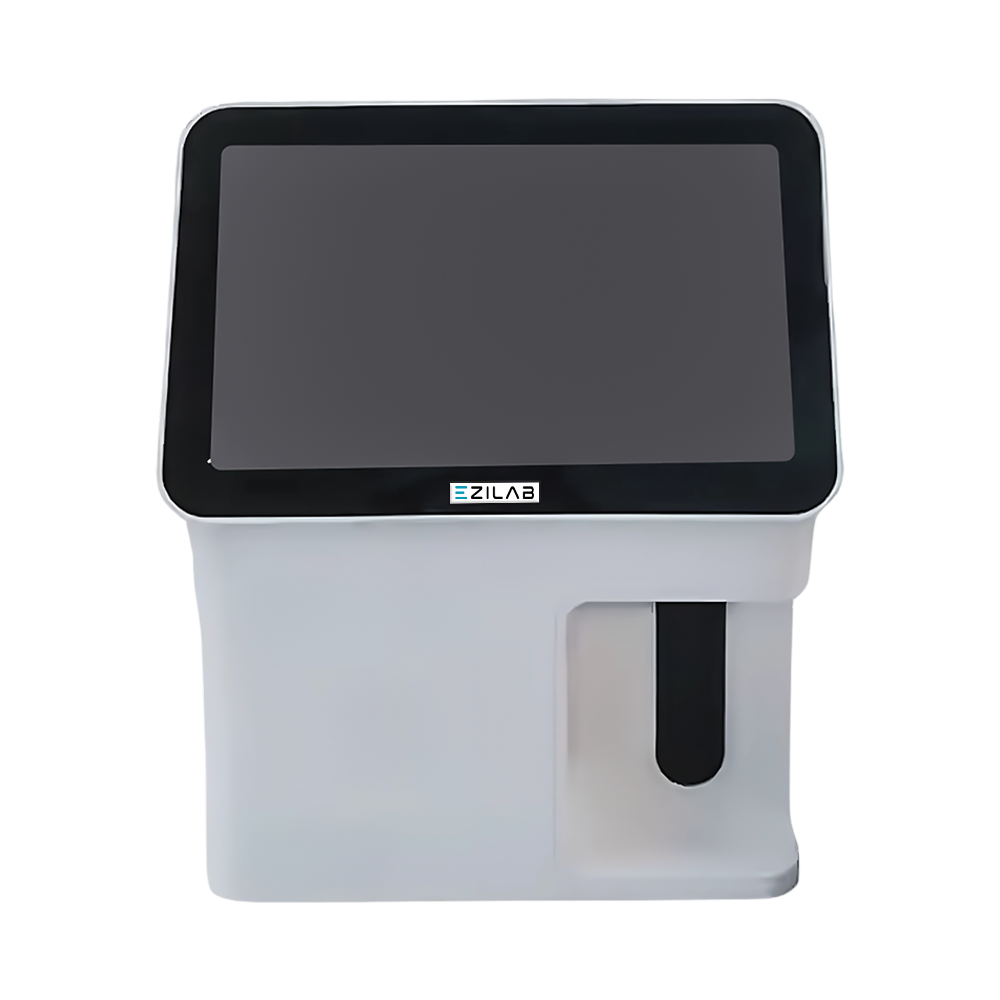
  • Sample Volume: Normal: 10µl, 20µl (pre-diluted blood)
  • Throughput: 60 tests/hour
  • Storage: 1,00,000 results with histogram
  • Histograms: 3 histograms (including WBC, RBC, PLT)
  • Measuring Principle: Electric impedance method and Colorimetry method
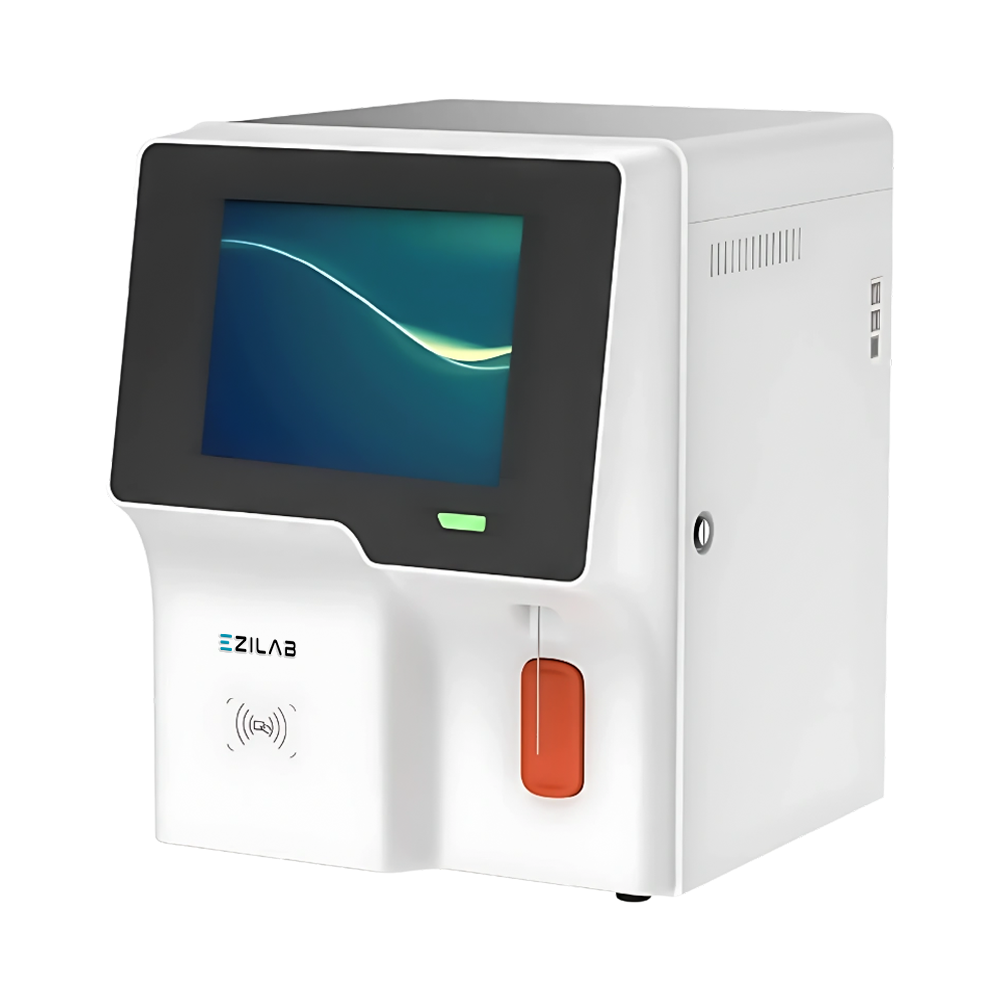
  • Sample Volume: Less than 20uL of sample
  • Throughput: 60 Samples/hour
  • Assay Item: 21 Parameters / 3 histograms
  • Measuring Simple: Flow cytometry and multi-angular laser scattering, Electric impedance method and Colorimetry
  • Sample Volume: Less than 20uL of sample
  • Throughput: 60 Samples/hour
  • Assay Item: 4 Parameters / 2 histograms and 2 scattergrams
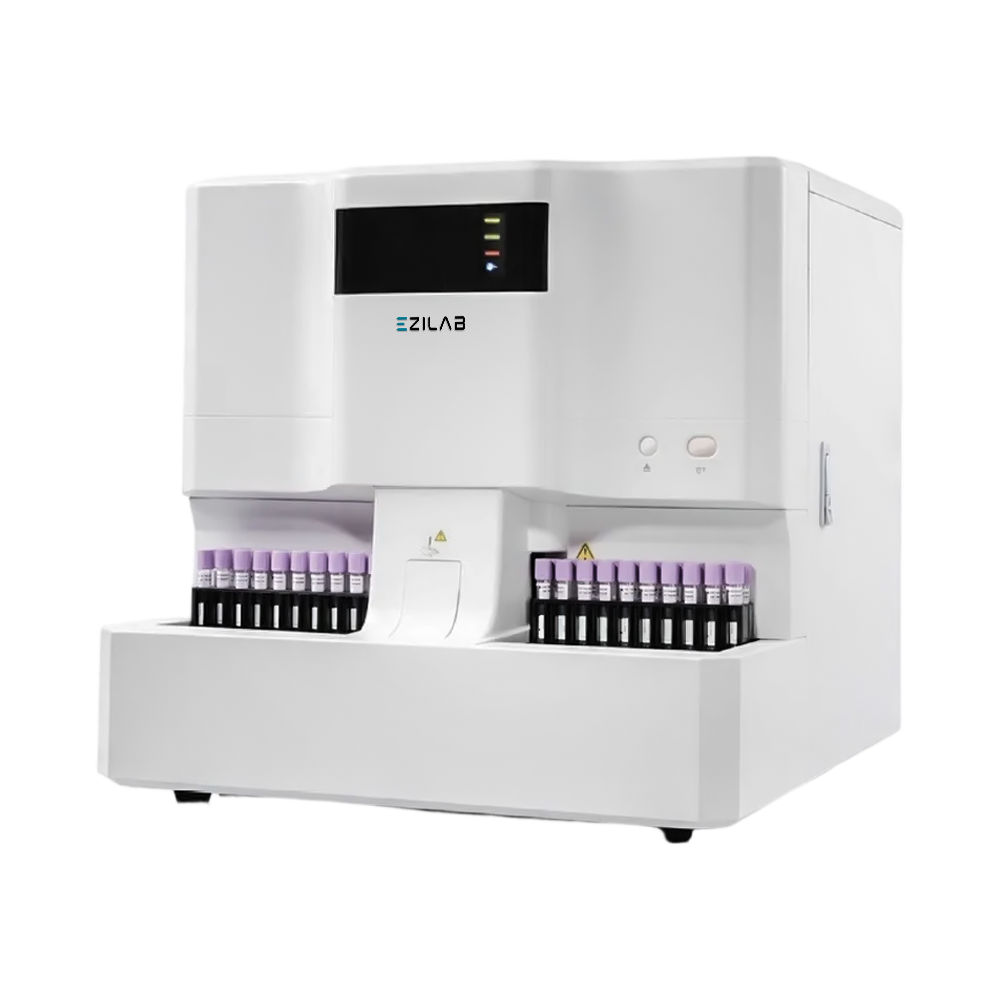
  • Throughput: 60 tests/hour
  • Assay Items: 5 parts, 31 parameters, 3 histograms, 2 scatter grams
  • Storage: 200,000 results storage including histogram and scatter gram
  • Test Mode: CBC+5DIFF, CBC
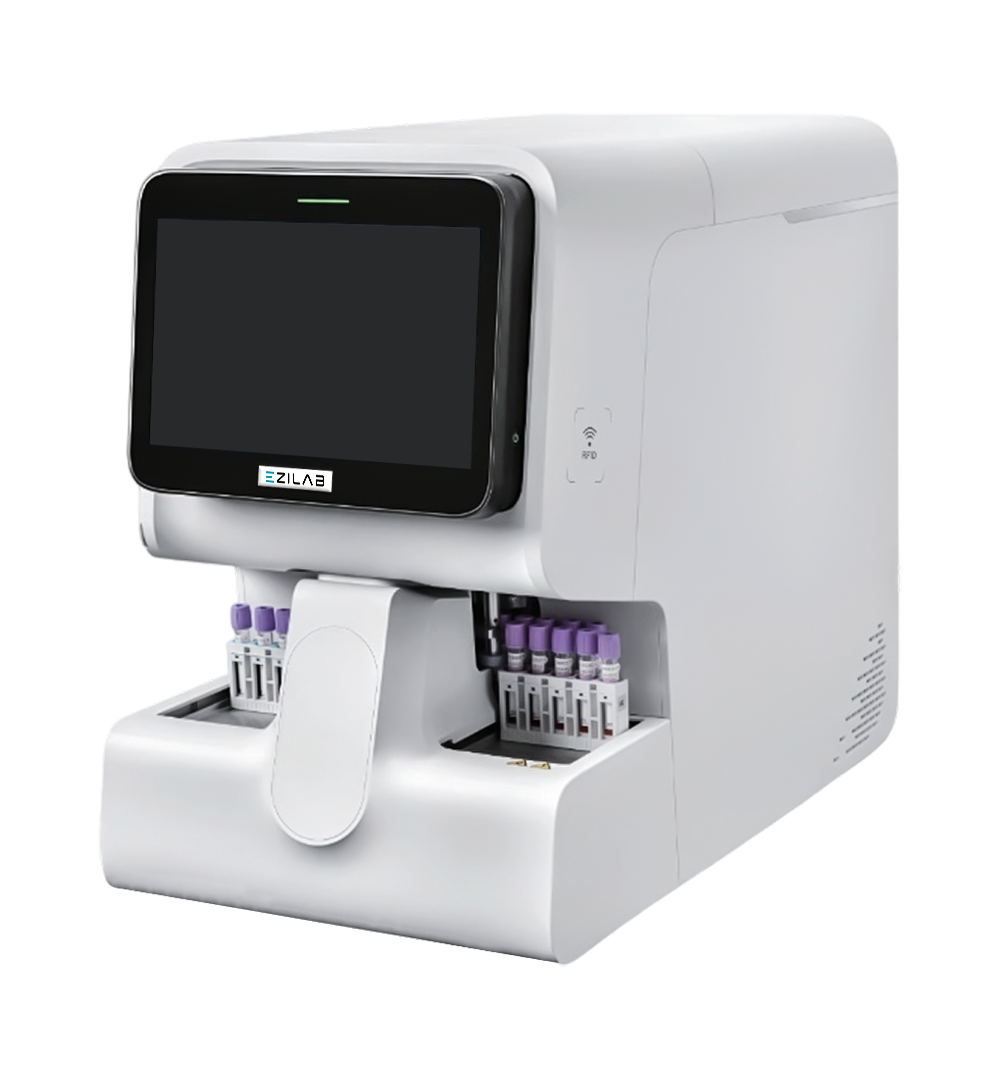
  • Throughput: 60 tests/hour
  • Assay Items: 5 parts, 28 parameters, 2 histograms, 2 scatter grams
  • Storage: 1,00,000 results storage including histogram and scatter gram
  • Test Mode: CBC+5DIFF, CBC
  • Measuring Principle: Scatter, Fluorescence, and Cube technology
  • Throughput: CD80t/h CDR45t/h CD+ESR40t/h
  • RBC, PLT: Focusing Flow-DC Impedance Method
  • HGB: Colorimetric method
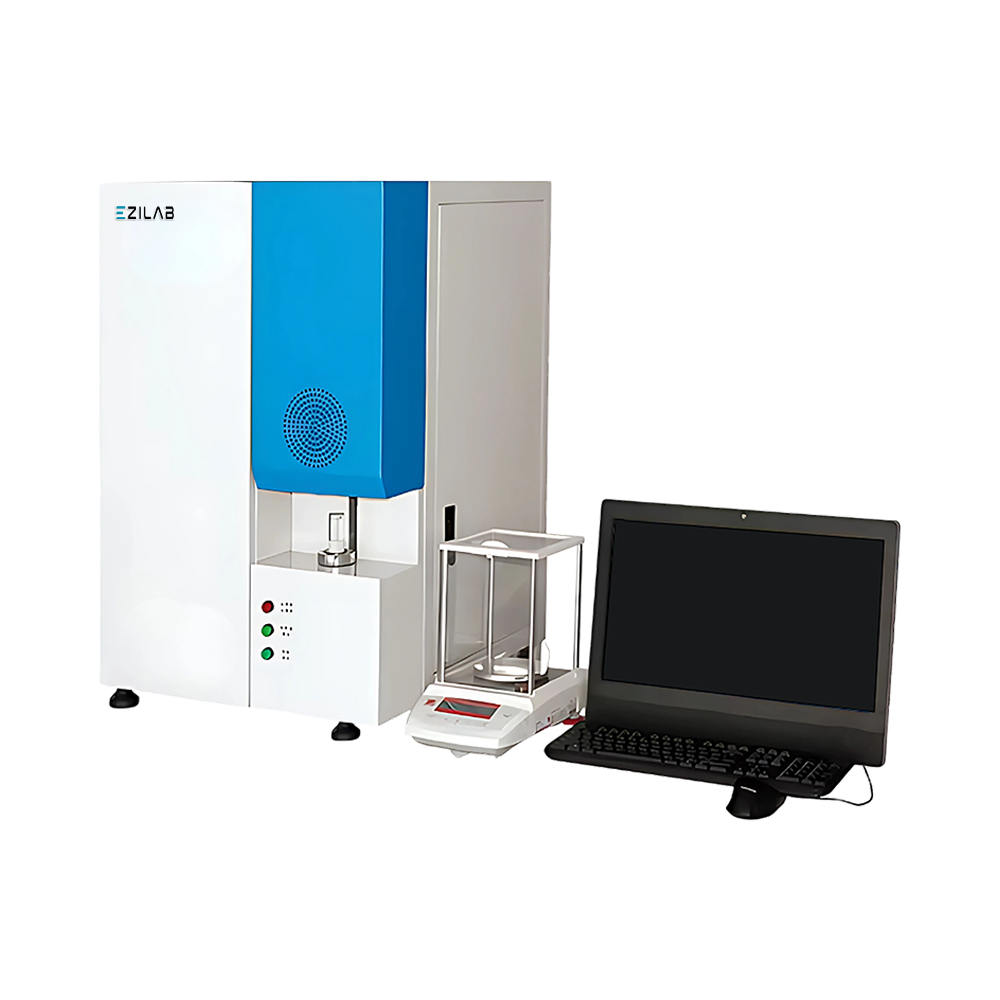
  • Carbon Measurement Range: 0.0005% to 6.0000% (extendable to 99.999%)
  • Sulfur Measurement Range: 0.0005% to 0.5000% (extendable to 99.999%)
  • Carbon Analysis Precision: RSD <1%
  • Sulfur Analysis Precision: RSD <1.5%
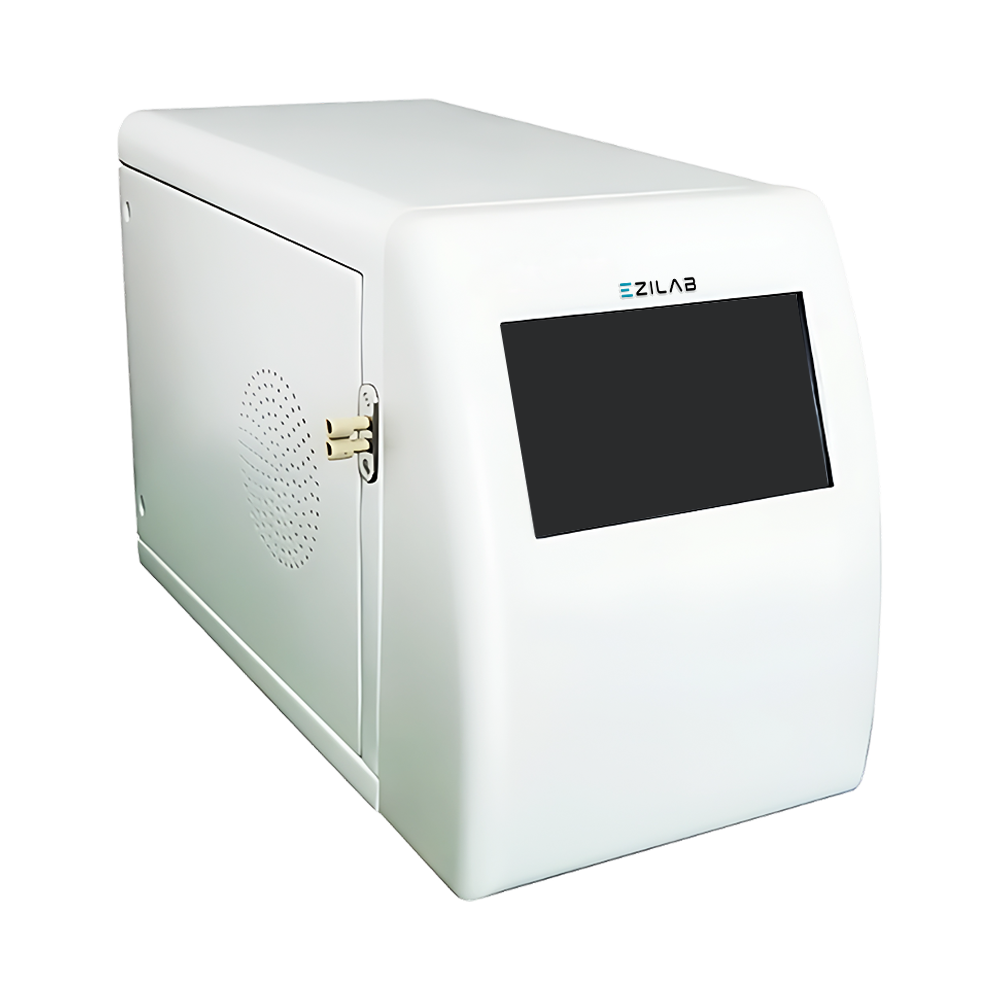
  • Measurement Range: 1 to 1500 µg/L
  • Detection Limit: 1 µg/L
  • Digestion Mode: UV Oxidation by UV Lamp
  • Detector: Conductivity
  • Measurement Range: 1 to 1500 µg/L
  • Detection Limit: 1 µg/L
  • Digestion Mode: UV Oxidation by UV Lamp
  • Detector: Conductivity
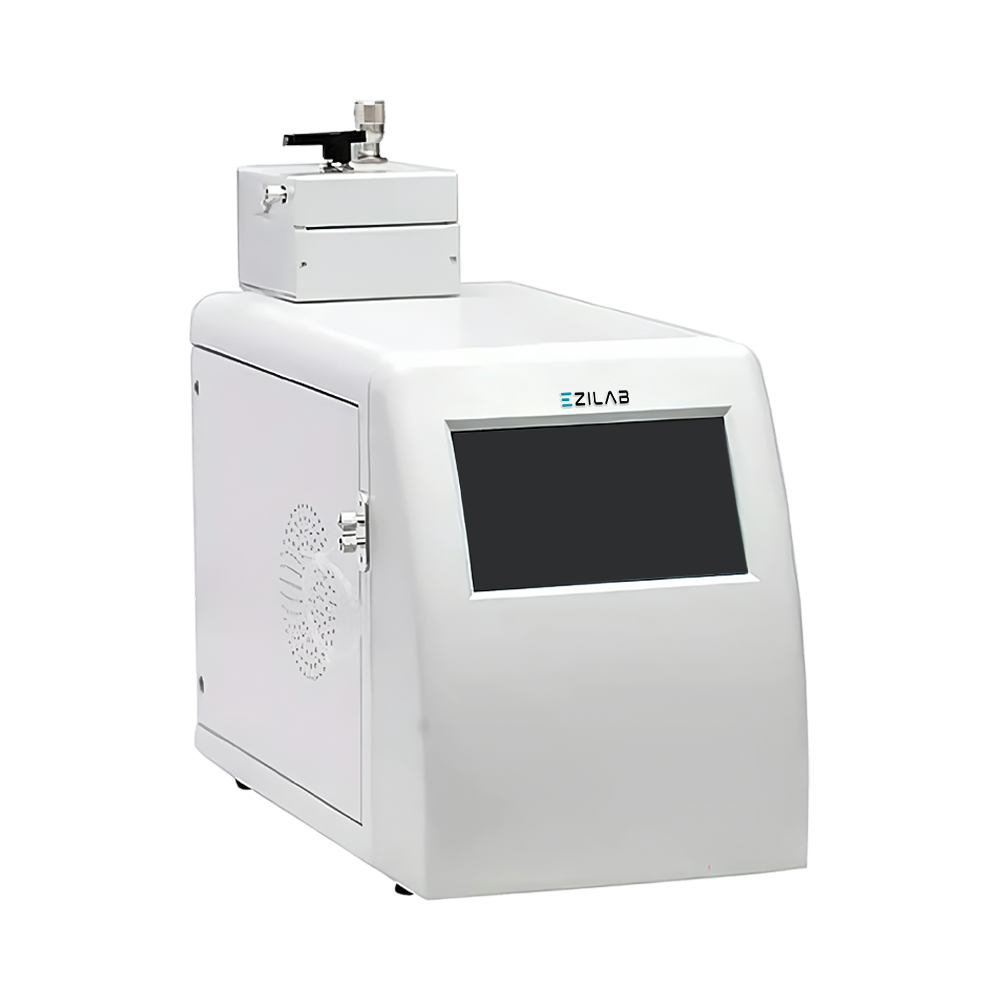
  • Measurement Range: 0 to 10000 mg / L
  • Detection Limit: 5 µg / L
  • Digestion Mode: Wet Chemical Oxidation by UV
  • Detector: NDIR
  • Measurement Range: 0 to 100,000 mg / L, Manual Dilution
  • Detection Limit: Total Carbon: 50 µg / L
  • Digestion Mode: High Temperature Catalytic Combustion
  • Detector: NDIR